Printable Chanukah Guide 5787
A printable guide to Chanukah 5787 (4 to 12 December 2026): the dates, how and when to light, the blessings, Haneiros Halalu, Al Hanissim, the Friday and Motzei Shabbos rules, and a day-by-day summary.
- Download
Printable Chanukah Guide 5787
PDF · 6 pages · 330 KB
Chanukah 5787 at a glance
Chanukah begins on Friday afternoon, 4 December 2026 (the eve of 25 Kislev), and ends at nightfall on Shabbos, 12 December (2 Teves). This year the first light and the eighth light are both kindled on Friday afternoon, before Shabbos, and Rosh Chodesh Teves falls on Thursday and Friday.
| Night | Lights | Date (evening) | Hebrew date | When to light |
|---|---|---|---|---|
| 1 | 1 | Friday, 4 December | Eve of 25 Kislev | Before the Shabbos candles |
| 2 | 2 | Motzei Shabbos, 5 December | Eve of 26 Kislev | After Shabbos ends; Havdalah first |
| 3 | 3 | Sunday, 6 December | Eve of 27 Kislev | At sunset |
| 4 | 4 | Monday, 7 December | Eve of 28 Kislev | At sunset |
| 5 | 5 | Tuesday, 8 December | Eve of 29 Kislev | At sunset |
| 6 | 6 | Wednesday, 9 December | Eve of 30 Kislev (Rosh Chodesh) | At sunset |
| 7 | 7 | Thursday, 10 December | Eve of 1 Teves (Rosh Chodesh) | At sunset |
| 8 | 8 | Friday, 11 December | Eve of 2 Teves | Before the Shabbos candles |
Shabbos candle lighting in Brooklyn, New York, is at 4:10 pm on both Fridays. Times differ from place to place: use the calendar of your local Chabad House.
What you need
- A menorah with eight lights in a straight, even row, and a shamash set apart.
- Olive oil and cotton wicks, which are the finest way to perform the mitzvah, or candles. By Chabad custom the shamash is a wax candle.
- Enough oil, or candles large enough, to burn at least 50 minutes. On Friday, much more (see below).
Where to place the menorah
Light at home, where you live and sleep. By Chabad custom the menorah stands inside the home, in a doorway, on the left side as you enter, opposite the mezuzah. Many other communities place it in a window facing the street, so that the lights publicize the miracle. The flames should be more than about 24 cm (10 inches) above the floor and less than about 80 cm (32 inches), and spaced apart so that each light stands on its own.
When to light
By Chabad custom the menorah is lit right at sunset, and the lights must burn for at least 50 minutes, until half an hour after nightfall. For the half hour before lighting, do not start work or sit down to a meal.
Men and boys light their own menorahs; by Chabad custom even young boys light their own. Women and girls fulfil the mitzvah through the lighting of their husband or father, and answer Amen to his blessings. Where there is no man to light, a woman or girl lights.
How to light
- Set up the lights. On the first night, one light goes at the far right of the menorah. Each night, add one light to the left of the previous night’s lights.
- Gather the family. Light the shamash first, and hold it in your right hand.
- Say the blessings: three on the first night, two on the other nights.
- Light the newest light first, the one on the far left, and then the others from left to right. Do not speak between the blessings and the end of the lighting.
- Put the shamash in its place, and say or sing Haneiros Halalu.
- Stay near the lights for the first half hour. The lights are holy: they are only to be looked at, not used for reading or any other purpose.
Children may never be left alone with a lit menorah or with matches, and a burning menorah must not be left without proper safety precautions.
The blessings
בָּרוּךְ אַתָּה אֲ-דֹנָ-י אֱ-לֹהֵינוּ מֶלֶךְ הָעוֹלָם, אֲשֶׁר קִדְּשָׁנוּ בְּמִצְוֹתָיו וְצִוָּנוּ לְהַדְלִיק נֵר חֲנֻכָּה.
Baruch atah Ado-noi Elo-heinu Melech ha’olam, asher kid’shanu b’mitzvosav v’tzivanu l’hadlik ner Chanukah.
Blessed are You, L-rd our G-d, King of the universe, who has made us holy through His commandments and commanded us to kindle the Chanukah light.
בָּרוּךְ אַתָּה אֲ-דֹנָ-י אֱ-לֹהֵינוּ מֶלֶךְ הָעוֹלָם, שֶׁעָשָׂה נִסִּים לַאֲבוֹתֵינוּ בַּיָּמִים הָהֵם בִּזְּמַן הַזֶּה.
Baruch atah Ado-noi Elo-heinu Melech ha’olam, she’asah nissim la’avoseinu bayamim hahem bizman hazeh.
Blessed are You, L-rd our G-d, King of the universe, who did miracles for our fathers in those days, at this time.
On the first night only, add:
בָּרוּךְ אַתָּה אֲ-דֹנָ-י אֱ-לֹהֵינוּ מֶלֶךְ הָעוֹלָם, שֶׁהֶחֱיָנוּ וְקִיְּמָנוּ וְהִגִּיעָנוּ לִזְמַן הַזֶּה.
Baruch atah Ado-noi Elo-heinu Melech ha’olam, shehecheyanu v’kiy’manu v’higi’anu lizman hazeh.
Blessed are You, L-rd our G-d, King of the universe, who has kept us alive, sustained us, and brought us to this time.
Haneiros Halalu
הַנֵּרוֹת הַלָּלוּ אָֽנוּ מַדְלִיקִין, עַל הַתְּשׁוּעוֹת וְעַל הַנִּסִּים וְעַל הַנִּפְלָאוֹת, שֶׁעָשִׂיתָ לַאֲבוֹתֵינוּ בַּיָּמִים הָהֵם בִּזְּמַן הַזֶּה, עַל יְדֵי כֹּהֲנֶיךָ הַקְּדוֹשִׁים. וְכָל שְׁמוֹנַת יְמֵי חֲנֻכָּה, הַנֵּרוֹת הַלָּלוּ קֹדֶשׁ הֵם, וְאֵין לָנוּ רְשׁוּת לְהִשְׁתַּמֵּשׁ בָּהֶן, אֶלָּא לִרְאוֹתָן בִּלְבָד, כְּדֵי לְהוֹדוֹת וּלְהַלֵּל לְשִׁמְךָ הַגָּדוֹל, עַל נִסֶּיךָ וְעַל נִפְלְאוֹתֶיךָ וְעַל יְשׁוּעוֹתֶיךָ.
Haneiros halalu anu madlikin, al hat’shu’os v’al hanissim v’al haniflo’os, she’asisa la’avoseinu bayamim hahem bizman hazeh, al y’dei kohanecha hak’doshim. V’chol sh’monas y’mei Chanukah, haneiros halalu kodesh hem, v’ein lanu r’shus l’hishtamesh bahen, ela lir’osan bilvad, k’dei l’hodos ul’hallel l’shimcha hagadol, al nisecha v’al nifl’osecha v’al y’shu’osecha.
We kindle these lights for the deliverances, the miracles and the wonders that You did for our ancestors in those days, at this season, through Your holy Kohanim. Throughout the eight days of Chanukah these lights are holy. We may not make use of them, only look at them, so that we may thank and praise Your great Name for Your miracles, Your wonders and Your deliverances.
Al Hanissim
Al Hanissim is added to every Amidah (in the blessing of Modim) and to Birkas Hamazon, the Grace after Meals (in the blessing of Nodeh lecha), on all eight days. Someone who forgot it does not repeat the prayer.
וְעַל הַנִּסִּים וְעַל הַפֻּרְקָן וְעַל הַגְּבוּרוֹת וְעַל הַתְּשׁוּעוֹת וְעַל הַנִּפְלָאוֹת שֶׁעָשִׂיתָ לַאֲבוֹתֵינוּ בַּיָּמִים הָהֵם בִּזְּמַן הַזֶּה.
בִּימֵי מַתִּתְיָהוּ בֶּן יוֹחָנָן כֹּהֵן גָּדוֹל חַשְׁמוֹנַאי וּבָנָיו, כְּשֶׁעָמְדָה מַלְכוּת יָוָן הָרְשָׁעָה עַל עַמְּךָ יִשְׂרָאֵל לְהַשְׁכִּיחָם תּוֹרָתֶךָ וּלְהַעֲבִירָם מֵחֻקֵּי רְצוֹנֶךָ, וְאַתָּה בְּרַחֲמֶיךָ הָרַבִּים עָמַדְתָּ לָהֶם בְּעֵת צָרָתָם, רַבְתָּ אֶת רִיבָם, דַּנְתָּ אֶת דִּינָם, נָקַמְתָּ אֶת נִקְמָתָם, מָסַרְתָּ גִבּוֹרִים בְּיַד חַלָּשִׁים, וְרַבִּים בְּיַד מְעַטִּים, וּטְמֵאִים בְּיַד טְהוֹרִים, וּרְשָׁעִים בְּיַד צַדִּיקִים, וְזֵדִים בְּיַד עוֹסְקֵי תוֹרָתֶךָ. וּלְךָ עָשִׂיתָ שֵׁם גָּדוֹל וְקָדוֹשׁ בְּעוֹלָמֶךָ, וּלְעַמְּךָ יִשְׂרָאֵל עָשִׂיתָ תְּשׁוּעָה גְדוֹלָה וּפֻרְקָן כְּהַיּוֹם הַזֶּה. וְאַחַר כָּךְ בָּאוּ בָנֶיךָ לִדְבִיר בֵּיתֶךָ, וּפִנּוּ אֶת הֵיכָלֶךָ, וְטִהֲרוּ אֶת מִקְדָּשֶׁךָ, וְהִדְלִיקוּ נֵרוֹת בְּחַצְרוֹת קָדְשֶׁךָ, וְקָבְעוּ שְׁמוֹנַת יְמֵי חֲנֻכָּה אֵלּוּ לְהוֹדוֹת וּלְהַלֵּל לְשִׁמְךָ הַגָּדוֹל.
And for the miracles, for the redemption, for the mighty acts, for the deliverances and for the wonders that You did for our ancestors in those days, at this season.
In the days of Matisyahu, son of Yochanan the Kohen Gadol, the Chashmona’i, and his sons, when the wicked kingdom of Greece rose up against Your people Israel to make them forget Your Torah and to turn them away from the laws of Your will, You in Your great mercy stood by them in their time of trouble. You took up their cause, judged their claim and avenged their wrong. You handed the mighty into the hands of the weak, the many into the hands of the few, the impure into the hands of the pure, the wicked into the hands of the righteous, and the arrogant into the hands of those who study Your Torah. You made for Yourself a great and holy Name in Your world, and for Your people Israel You brought about a great deliverance and redemption, as on this day. Then Your children came into the holiest part of Your House, cleared Your Temple, purified Your Sanctuary and kindled lights in Your holy courtyards. And they set these eight days of Chanukah for giving thanks and praise to Your great Name.
Friday afternoon: Erev Shabbos
On both Fridays of this Chanukah, 4 and 11 December:
- Daven Minchah early, before lighting. If no early minyan is available, light first and then daven Minchah with the regular minyan.
- Finish the Shabbos preparations first, so the whole family can be at the lighting.
- Light the menorah before the Shabbos candles. It may be lit any time after plag haminchah (in December, a little under an hour before sunset; see your local calendar), preferably close to Shabbos candle lighting time.
- Put in much more oil, or use larger candles, so that the lights burn until at least 50 minutes after sunset.
- A woman who lights Shabbos candles has accepted Shabbos, so the menorah must be lit first.
- Unlike other nights, there is no custom to stay beside the menorah for half an hour.
- Chanukah gelt is not given on Shabbos. Give it on Friday or Sunday instead.
Motzei Shabbos
On Saturday night, 5 December:
- In shul, the menorah is lit after Maariv, before Havdalah.
- At home, by Chabad custom, make Havdalah first and then light the menorah.
- The Chanukah lights may not be used as the Havdalah candle; use a separate Havdalah candle.
- Do not hurry Maariv on account of the lighting; light as soon as you come home.
Day by day
Friday, 4 December (24 Kislev), Erev Chanukah and Erev Shabbos Vayeishev. Minchah early. First light, before the Shabbos candles. Shehecheyanu is said tonight.
Shabbos, 5 December (25 Kislev), first day of Chanukah. Shabbos Parshas Vayeishev, Shabbos Mevarchim Teves. Al Hanissim in every prayer and in Birkas Hamazon, and the full Hallel. Two Torah scrolls: the weekly portion, and the Chanukah reading for the first day as maftir. The haftarah is Rani vesimchi, Zechariah’s vision of the golden menorah. Second light on Motzei Shabbos, after Havdalah.
Sunday, 6 December (26 Kislev). Second day. Third light at sunset.
Monday, 7 December (27 Kislev). Third day. Fourth light at sunset.
Tuesday, 8 December (28 Kislev). Fourth day. Fifth light at sunset. The Chabad Rebbeim gave Chanukah gelt on the fourth or fifth night, and the Rebbe suggested giving double or triple on those nights.
Wednesday, 9 December (29 Kislev). Fifth day. Sixth light at sunset. Rosh Chodesh Teves begins tonight: Ya’aleh Veyavo is added from Maariv, together with Al Hanissim.
Thursday, 10 December (30 Kislev), first day of Rosh Chodesh Teves. Sixth day. Full Hallel, and two Torah scrolls: three people are called up for the Rosh Chodesh reading and a fourth for the Chanukah reading. Musaf of Rosh Chodesh, with Al Hanissim. Seventh light at sunset.
Friday, 11 December (1 Teves), second day of Rosh Chodesh Teves, Erev Shabbos Miketz. Seventh day. Readings as yesterday. Minchah early. Eighth light, before the Shabbos candles.
Shabbos, 12 December (2 Teves), Zos Chanukah, the eighth day. Shabbos Parshas Miketz. Full Hallel and Al Hanissim. Two Torah scrolls: the weekly portion, and as maftir the reading of the eighth day, beginning Bayom hashemini, which ends with the words that give the day its name, zos chanukas hamizbe’ach, “this is the dedication of the altar”. The haftarah is Vayaas Chiram (Melachim I 7), on the lamps King Shlomo made for the Beis Hamikdash. The Rebbe called on everyone to use this last day, when all eight lights shine, to bring the Chanukah campaign to its height.
Every day of Chanukah
- The full Hallel after the morning Amidah, and Al Hanissim in every Amidah and in Birkas Hamazon.
- Extra tzedakah. The Rebbe taught that by giving more tzedakah on Chanukah we merit to light the menorah in the Beis Hamikdash.
- Chanukah gelt for the children, on every night except Shabbos, so that they will learn more Torah and give tzedakah of their own.
- Foods fried in oil, in remembrance of the miracle of the oil, and festive meals and family gatherings.
- After lighting, talk about Chanukah and its miracles, and about what is special in each day, as the number of lights grows.
- Women refrain from sewing, laundry, ironing and similar work for the first 50 minutes the lights burn.
- Share the light: bring a menorah, and the story of Chanukah, to someone who would otherwise go without.
Chanukah and Moshiach
The lights grow from one to eight, and we add more each night, because in matters of holiness we always go up. The number eight stands above the seven days of nature, and points to the Geulah, the final Redemption, when the light of Moshiach will be revealed to all. Maoz Tzur ends with the prayer, “bring near the time of salvation”. May we light the menorah this year in the Third Beis Hamikdash, with the Rebbe Melech HaMoshiach, now.
For personal questions about these laws, ask your local Chabad rabbi or write to the rabbis at asktherav.com.
Sources
- Rabbi Yosef Yeshaya Braun, Badatz of Crown Heights (AskTheRav), Day-to-Day Halachic Guide: Chanukah 5786.
- HaGeula, 14 הלכות ומנהגי חב"ד על הדלקת נר חנוכה (14 Chabad laws and customs of lighting the Chanukah lights).
- Shulchan Aruch HaRav (shulchanaruchharav.com), Chanukah Halacha, Chapter 4: Shabbos Chanukah.
- Rabbi Shais Taub (translator), Living With Moshiach (Torah4Blind), A Call to Action: Chanukah (from HaMaaseh Hu HaIkar).
- Zog A Niggun! (penofthesoul), Chanukah: Haneiros Hallalu.
- Chabad Or Balev (chesed.co.il), תפילות חנוכה (The prayers of Chanukah).
- Hebcal, Jewish calendar, December 2026.
Laws adapted from the Badatz of Crown Heights Day-to-Day Guide and HaGeula; dates from Hebcal.
Related
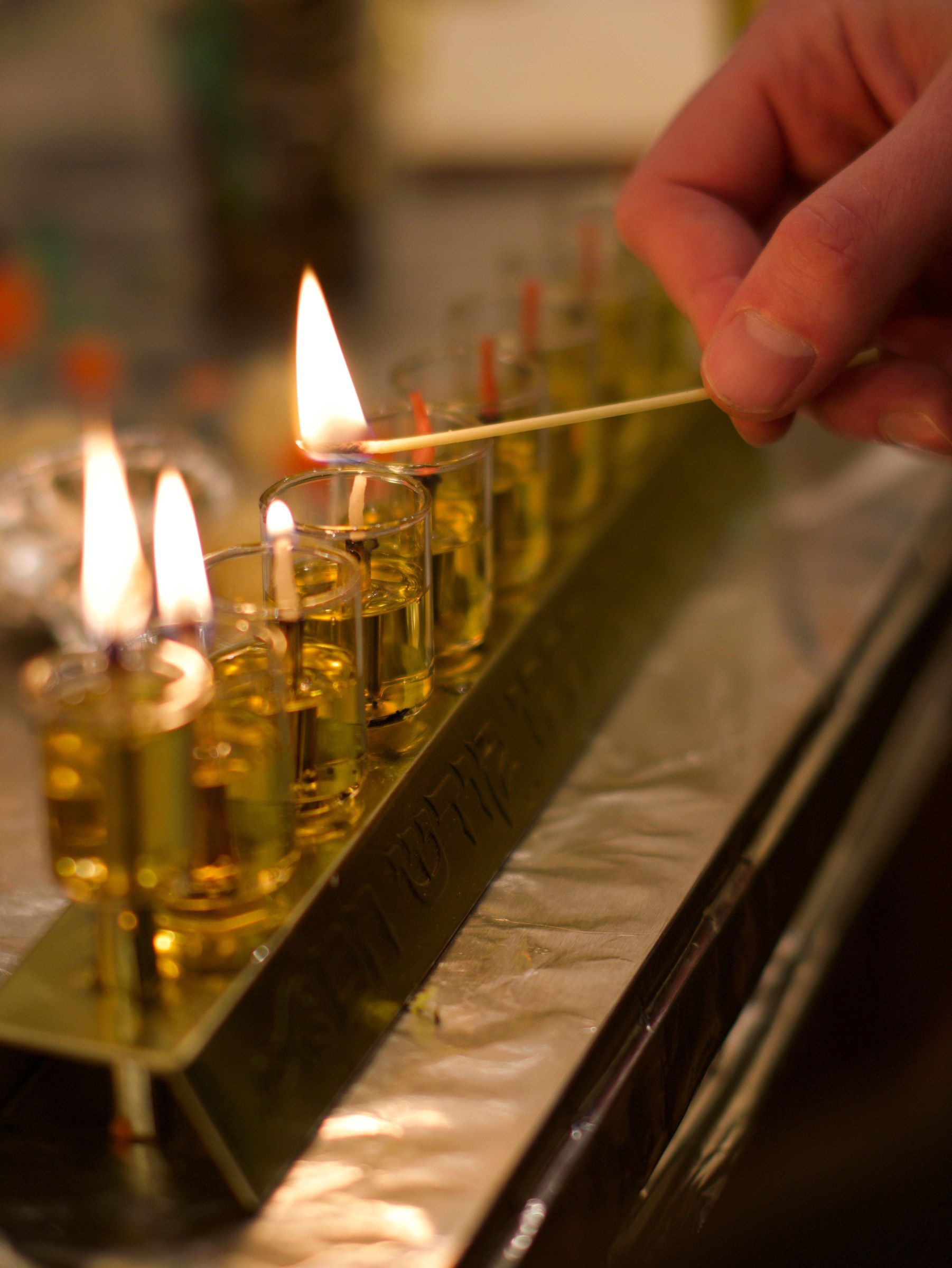
How to Light the Menorah
A step-by-step guide to lighting the Chanukah menorah: what you need, where to place it, when to light, the blessings, the order of the lights, and Friday and Saturday night.
The Chanukah Blessings
The three blessings over the Chanukah lights in Hebrew (Chabad wording), with transliteration, translation, and what to do if a blessing is missed.
Shabbos Chanukah
Lighting the menorah before Shabbos on Friday and after Havdalah on Saturday night, the menorah during Shabbos, prayers and Torah readings, dreidel and gelt on Shabbos, and this year's two Shabbosos of Chanukah.
How to Celebrate Chanukah
The mitzvos and customs of the eight days: lighting the menorah, the added prayers, gelt, tzedakah, festive meals, fried foods and dreidel, with this year's dates.
- Download
Menorah Lighting and Blessings Card
PDF · 2 pages · 194 KB