Hallel and Chanukah Prayers
What changes in the prayers on Chanukah: the complete Hallel every morning, the daily Torah readings, Al Hanissim, Rosh Chodesh Teves, the Shabbos readings, and the menorah in shul.
On this page
The Talmud says the Sages made the eight days of Chanukah festivals “for Hallel and thanksgiving.” Chabad Or Balev points out that the Rambam even mentions Hallel before the lighting when he describes the festival: “days of joy and Hallel, and lights are kindled on them.” The prayers of Chanukah carry that thanks.
Hallel
- The complete Hallel is said every morning of Chanukah, after the Amidah of Shacharis, with its blessing. Unlike Rosh Chodesh and the last days of Pesach, when parts are skipped, on Chanukah every psalm is said.
- The Sages made it a binding obligation, so it is said even in a house of mourning. A mourner in his year of mourning may lead the other prayers on Chanukah but not Hallel, which someone else leads.
- It is best said together with the congregation, right after the Amidah, so that the refrains Hodu and Ana can be said responsively.
- Do not interrupt Hallel to speak, except for the responses permitted during the blessings of the Shema.
- If you missed it in the morning, you may say it any time during the day until nightfall.
- If you skipped Lo lanu or Ahavti, as on Rosh Chodesh, you must say the whole Hallel again with its blessings.
- Whether women are obligated in Hallel on Chanukah is debated in halacha without a clear consensus.
Al Hanissim and Tachanun
Al Hanissim is added to every Amidah and to Grace After Meals throughout Chanukah. Tachanun is not said, from Minchah on the day before Chanukah through the end of the festival. See Al Hanissim.
The daily Torah reading
Each morning the Torah is read in shul from Parshas Naso, the offerings brought by the princes of the twelve tribes at the dedication of the Mishkan. Chabad Or Balev explains the choice: Chanukah is named for the rededication of the altar after the Greeks defiled it. On weekdays three people are called up. The order for each day is printed in the Siddur.
On the eighth day, Zos Chanukah, the reading continues to the end of the princes’ offerings, “Zos chanukas hamizbe’ach, this was the dedication of the altar,” and on into the opening verses of Parshas Beha’aloscha, about Aharon lighting the menorah, ending with the words ken asah es hamenorah.
The menorah in shul
The menorah is lit in shul with the blessings, to publicize the miracle. Chabad custom is to light it toward the end of Minchah, before Aleinu, at any time after plag haminchah. On Saturday night it is lit after Maariv, before Havdalah. In the morning it is lit again without a blessing and burns through Shacharis. Lighting in shul never replaces lighting at home, not even for the one who lit it.
Rosh Chodesh Teves
Rosh Chodesh Teves falls during Chanukah. Ya’aleh V’yavo is added together with Al Hanissim, and Musaf for Rosh Chodesh is said, with Al Hanissim in it. On a weekday Rosh Chodesh, two Torah scrolls are taken out: three are called up for the Rosh Chodesh reading from the first, and one for the Chanukah reading from the second. A mourner does not lead the prayers on Rosh Chodesh.
Shabbos Chanukah
- Two scrolls are taken out: the weekly portion from the first, and the Chanukah reading as maftir from the second. When the first day of Chanukah is Shabbos, the maftir begins Vayhi b’yom kalos Moshe.
- The haftorah is Rani v’simchi (Zechariah 2–4), with the prophet’s vision of the golden menorah.
- When Chanukah has two Shabbosos, the second Shabbos has the haftorah of Neiros Shlomo, the lamps King Shlomo made for the Beis Hamikdash (Melachim I 7).
- When Rosh Chodesh Teves falls on Shabbos, three scrolls are used.
- Av harachamim is not said, nor Tzidkas’cha at Minchah.
This year
In 5787 Chanukah has two Shabbosos. On Shabbos Parshas Vayeishev, 5 December 2026, the first day of Chanukah, the maftir is the Chanukah reading from Vayhi b’yom kalos Moshe and the haftorah is Rani v’simchi; it is also Shabbos Mevarchim, when the new month of Teves is blessed. On Shabbos Parshas Mikeitz, 12 December, which is Zos Chanukah, the maftir is the reading for the eighth day and the haftorah is Neiros Shlomo. Rosh Chodesh Teves is on Thursday and Friday, 10 and 11 December, with the weekday Rosh Chodesh order.
For questions about leading prayers, or anything particular to your situation, ask your local Chabad rabbi or asktherav.com.
For a question about your own home or situation, ask your local Chabad rabbi, or write to AskTheRav.
Sources
- Rabbi Yosef Yeshaya Braun, Badatz of Crown Heights, Day-to-Day Halachic Guide: Chanukah 5786.
- Rabbi Sholom Dovber Hendel, Chabad Or Balev, תפילות חנוכה.
- Shulchan Aruch HaRav (shulchanaruchharav.com), Chanukah Halacha, Chapter 4: Shabbos Chanukah.
- Sichos in English, Chanukah: Customs (from Sefer HaMinhagim).
- Rabbi Moshe Bogomilsky, Sichos in English, Vedibarta Bam: Dinim, Menorah Lighting.
Based on the Badatz of Crown Heights guide, Chabad Or Balev and Rabbi Yaakov Goldstein's Shulchan Aruch HaRav guides.
More on prayers
Al Hanissim
"For the miracles": the thanksgiving added to every Amidah and to Grace After Meals on Chanukah, in Hebrew (Chabad wording) with transliteration and translation, and what to do if it is forgotten.
Shabbos Chanukah
Lighting the menorah before Shabbos on Friday and after Havdalah on Saturday night, the menorah during Shabbos, prayers and Torah readings, dreidel and gelt on Shabbos, and this year's two Shabbosos of Chanukah.
Zos Chanukah
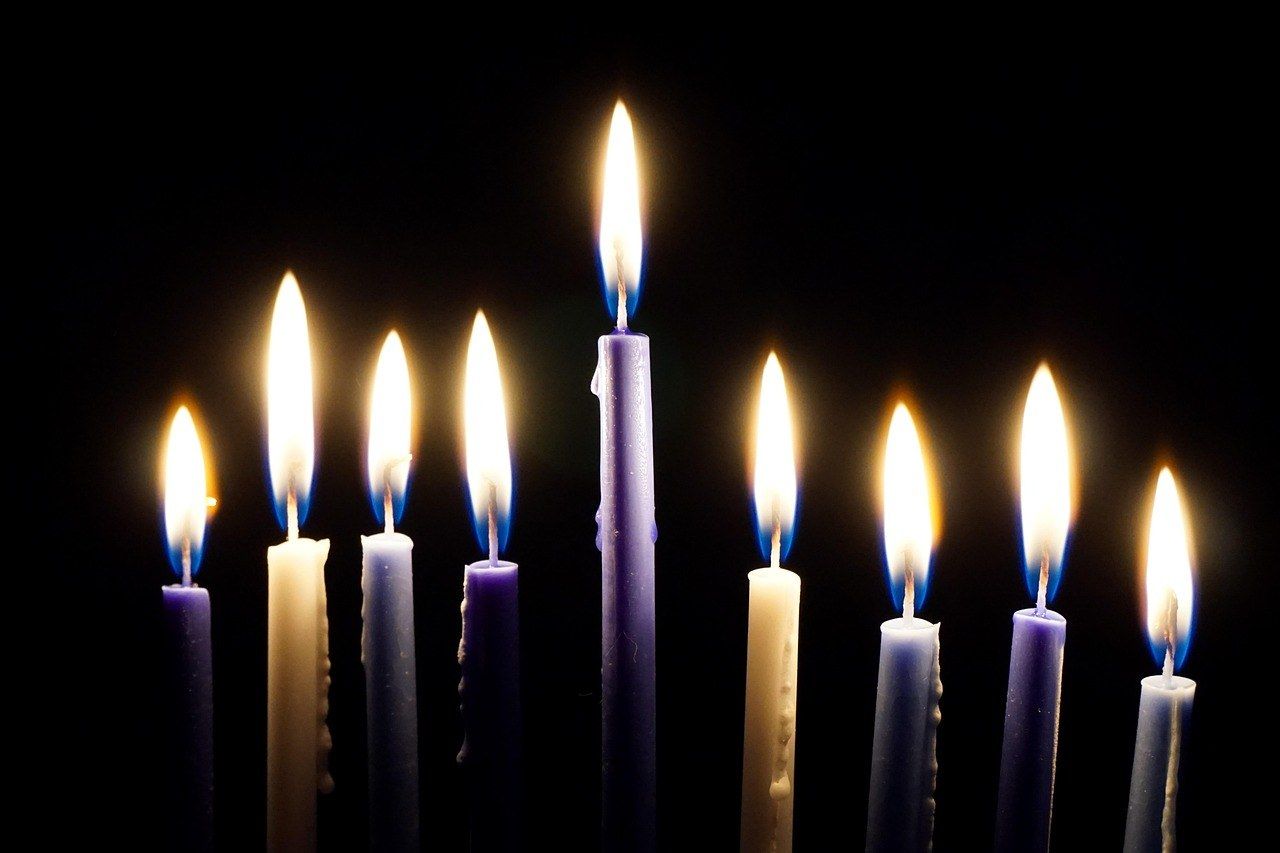
The eighth and last day of Chanukah, when all eight lights shine: its name, its Torah reading, its customs and teachings, and its date this year.
Haneiros Halalu
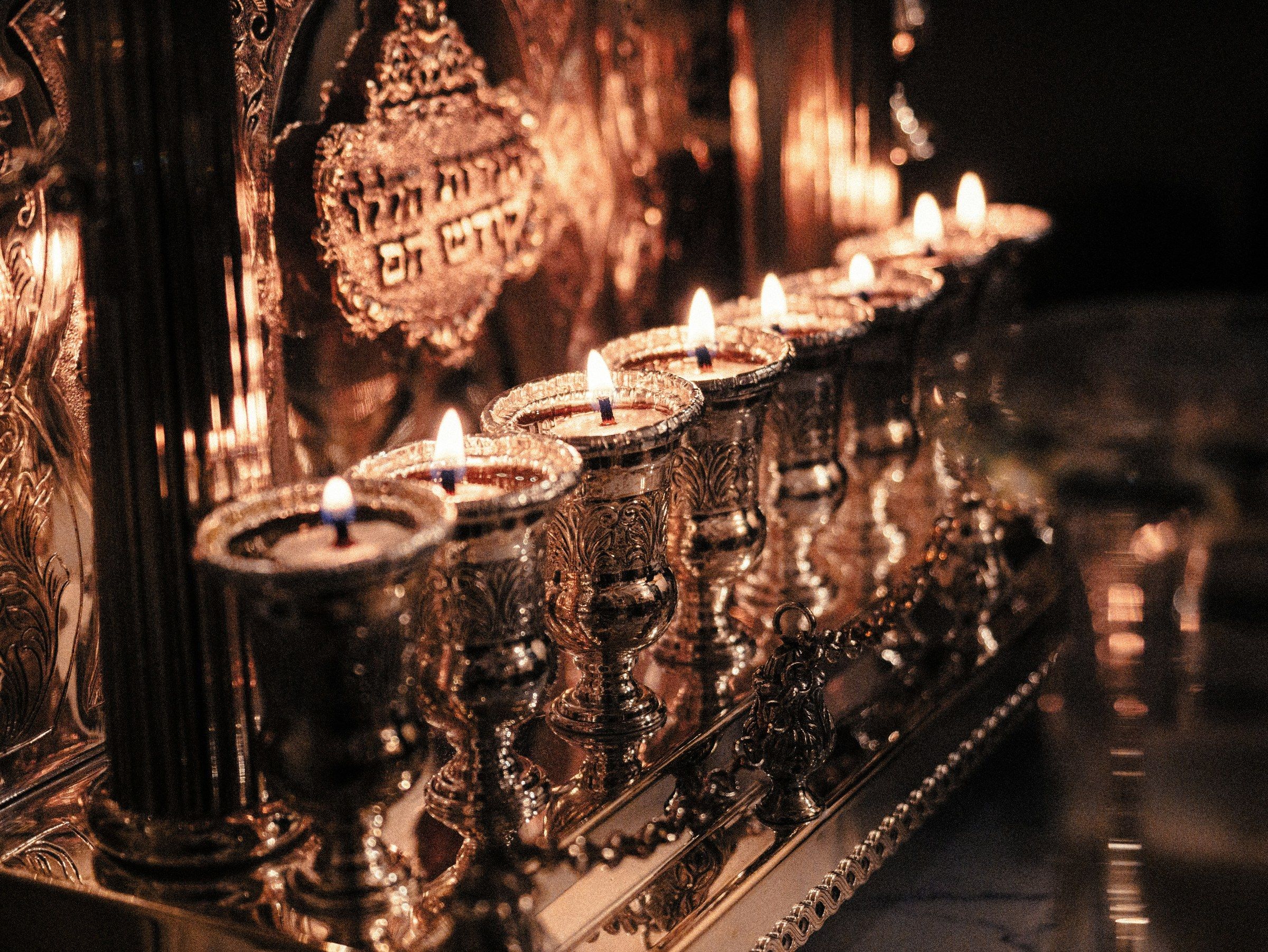
"These lights we kindle": the short declaration said after lighting the menorah, in Hebrew with transliteration and translation, when it is said, and the Chabad niggun sung to it.
How to Celebrate Chanukah
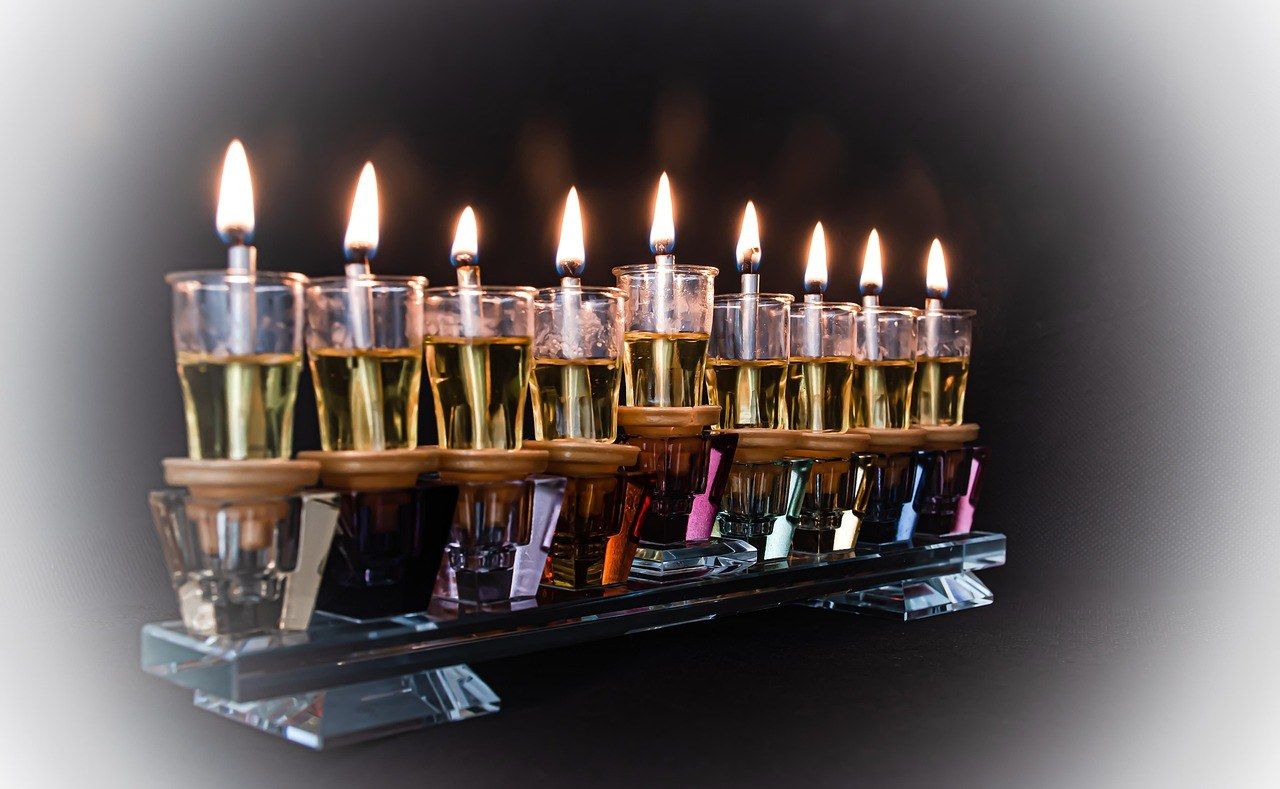
The mitzvos and customs of the eight days: lighting the menorah, the added prayers, gelt, tzedakah, festive meals, fried foods and dreidel, with this year's dates.