Zos Chanukah
The eighth and last day of Chanukah, when all eight lights shine: its name, its Torah reading, its customs and teachings, and its date this year.
The eighth and last day of Chanukah is called Zos Chanukah, “This is the dedication.” The name comes from the Torah reading of the day, which ends the account of the princes’ offerings with the words zos chanukas hamizbe’ach, “this was the dedication of the altar.” HaGeula calls it the climax of the festival and its completion: on this day all eight lights burn together.
This year
In 5787 the eighth light is kindled on Friday afternoon, 11 December 2026, before the Shabbos candles, and Zos Chanukah is Shabbos Parshas Mikeitz, 2 Teves, 12 December. It ends when Shabbos ends. Because it is Shabbos, the Torah reading for the eighth day is read as maftir from a second scroll, the haftorah is Neiros Shlomo, and gelt is given on Friday before Shabbos.
The Torah reading
On the eighth day the reading continues from the eighth prince to the end of the offerings, “zos chanukas hamizbe’ach,” and on into the opening of Parshas Beha’aloscha, where Aharon is commanded to light the menorah, ending with the words ken asah es hamenorah, “so he made the menorah.”
The meaning of eight
Seven stands for nature: the seven days of Creation, the seven-day week. Eight stands for what is above nature. Chabad Or Balev cites the Sages that the harp of the Levites in the Beis Hamikdash had seven strings, while the harp of the days of Moshiach will have eight. HaGeula connects the eight lights of this day with the coming Geulah and with the dedication of the Third Beis Hamikdash.
The Rebbe Melech HaMoshiach described the difference on Zos Chanukah 5742. On every earlier night, he said, some lights in the menorah are still unlit; we fight the evil inclination step by step. On the last night every light is lit at once: it is all-out battle, with every power of the soul shining in mitzvos and Torah.
HaGeula adds that lighting all eight on this night reaches back and lights up the days before it too: whatever was lacking earlier in the festival can be made up now.
Customs and teachings
- Mivtzoim to the end. The Rebbe urged everyone to use the eve of Zos Chanukah and the day itself to bring the Chanukah campaign to its peak, helping more Jews light.
- Gelt. Whoever has not yet given Chanukah gelt should give it in the last hours of Chanukah, and whoever has given should give more. If the chance passed, make it up right after Chanukah.
- Take stock. The Rebbe asked that on the last day we take stock of the whole of Chanukah in a way that will carry its light into the rest of the year, and make good resolutions, best of all at a farbrengen.
- Learn the maamar. The Rebbe once directed that the Alter Rebbe’s discourse on the greatness of Zos Chanukah (in Likkutei Torah) be studied on this day, and above all, to live with it. ChabadInfo notes that the Rebbe also edited one maamar of his own for Zos Chanukah, which ends with the call that it is not enough to believe in Moshiach; we must actually await him.
- A day of blessing. The Rebbe said in 5713 that the books of the Chassidim of Poland describe Zos Chanukah as a day of special blessing for those hoping for children. The Badatz also cites the teaching, which the Rebbe connected with Chabad Chassidus, that Chanukah is the final sealing of the judgments of the High Holidays. Vedibarta Bam brings the verse b’zos yechupar avon Yaakov, “through this Yaakov’s sin will be forgiven,” read as a hint to Zos Chanukah.
- Leftover oil. Some have the custom to burn the oil and wicks left over from Chanukah on this day.
- The lights linger. It is recorded that on Zos Chanukah, after Minchah, the Rebbe indicated that the lights still burning in 770 should not be put out. HaGeula records that in 770 the lights of the eighth night are kept burning until after Maariv.
After Chanukah
Halacha did not establish an isru chag, a day of festival afterglow, for Chanukah, and there is no custom to extend the last meal into the night. Yet the Rebbe taught that the Chanukah lights, as the Sages say, “are never extinguished”: their purpose is to carry their light across the whole year. There is even an opinion, which the Rebbe discussed, that in the time of the Geulah distant communities may keep a ninth day, and he suggested carrying the spirit of Zos Chanukah into the following day.
For questions about this day, ask your local Chabad rabbi or asktherav.com.
For a question about your own home or situation, ask your local Chabad rabbi, or write to AskTheRav.
Sources
- Rabbi Yosef Yeshaya Braun, Badatz of Crown Heights, Day-to-Day Halachic Guide: Chanukah 5786.
- HaGeula, זאת חנוכה – על מעלת היום וסגולותיו.
- Chabad Or Balev, זאת חנוכה.
- ChabadInfo, The only Mugah Mamar from the Rebbe for Zos Chanukah.
- Rabbi Moshe Bogomilsky, Sichos in English, Vedibarta Bam: The Gemara's Account.
- Hebcal, Hebcal Jewish calendar, December 2026.
Based on the Badatz of Crown Heights guide, HaGeula and Chabad Or Balev.
More on customs
The Meaning of Zos Chanukah
The eighth day of Chanukah is called Zos Chanukah, after the Torah reading of the day. Why it is the summit of the festival, and how its eight lights point to the Geulah.
HaGeulaWhy Eight Days?
The oil was enough for one night, so the miracle lasted seven. Why, then, does Chanukah last eight days? The classic answers, and what the number eight points to.
Sichos in English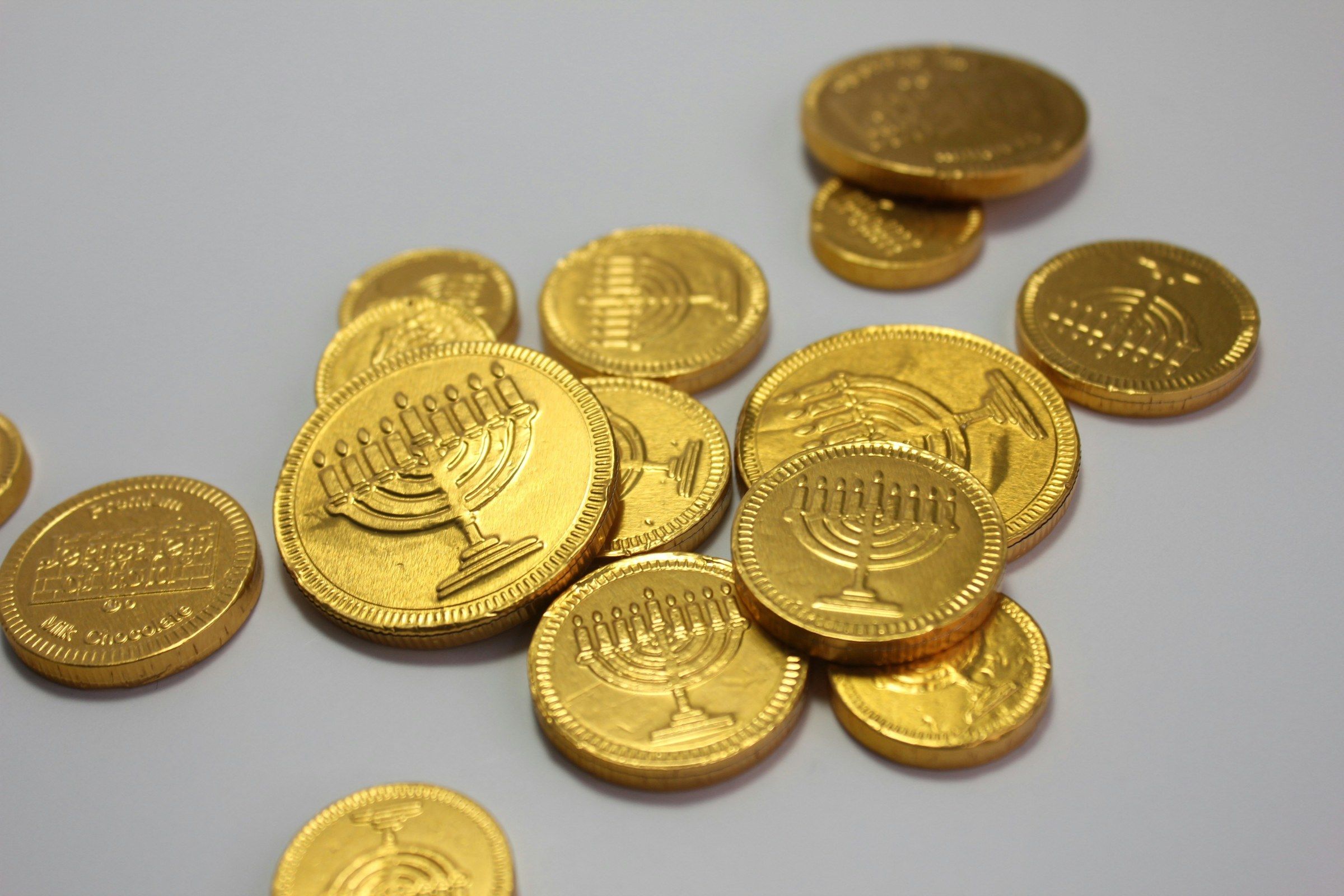
Chanukah Gelt
The custom of giving children money on Chanukah: its reasons, when and how the Rebbe encouraged giving it, coins or notes, tzedakah, and the Shabbos dates this year.
Hallel and Chanukah Prayers
What changes in the prayers on Chanukah: the complete Hallel every morning, the daily Torah readings, Al Hanissim, Rosh Chodesh Teves, the Shabbos readings, and the menorah in shul.
Chanukah and Moshiach
Moshiach is never named in the Chanukah story, its blessings or its prayers. Scratch the surface, though, and every part of it points to him: the battles, the rededicated Beis Hamikdash, the lit Menorah and the number eight.
L'Chaim (Sichos in English)