The Meaning of Zos Chanukah
The eighth day of Chanukah is called Zos Chanukah, after the Torah reading of the day. Why it is the summit of the festival, and how its eight lights point to the Geulah.
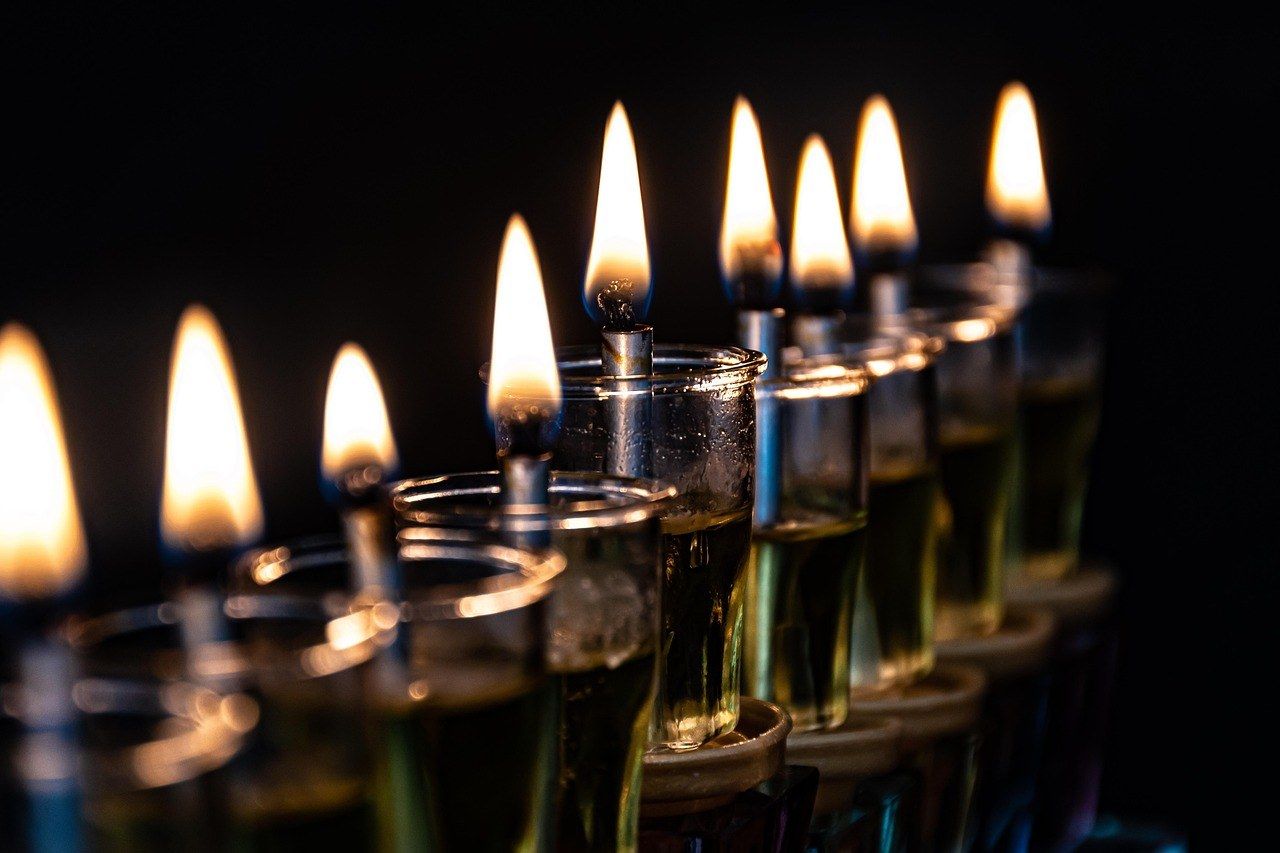
The eighth and last day of Chanukah has a name of its own: Zos Chanukah, “This is the dedication.” It comes from the Torah reading of the day, which tells of the gifts the princes of the tribes brought to the Mishkan, the Sanctuary in the desert, and closes with the words zos chanukas hamizbe’ach, “this was the dedication of the altar.” Zos Chanukah is seen as the summit of the festival and the day that brings it to completion.
The day that completes
On this day all the days of Chanukah are complete, and that is the sense of its name. Zos Chanukah also makes up for whatever was lacking in the days before it. HaGeula compares it to the tribe of Dan, which marched last in the desert as “the gatherer of all the camps” and collected whatever the others had lost along the way.
On this day all eight lights burn. The whole festival is present at once, and its light is fully expressed.
Above nature
Eight stands for a level above nature and creation. Seven is the number of the days of Creation, and Shabbos, the holiest day of the week, is the seventh. Eight points past them, to what is higher than the natural order. Chassidus describes Zos Chanukah as the day when the light of keser, the “crown,” the very highest level, shines, and brings the revelations of the festival down into the world of action.
Lighting up the days gone by
Each of the eight lights on the last night stands for one of the days of Chanukah. The lesson HaGeula draws from this is that even after a person has spent seven days well, there is still room to add, and to bring more light into the days already past. What a person does on this day reaches back and lights up the days behind it, and it carries the light and holiness of Chanukah forward into the whole year.
How the day is spent
The Rebbe Melech HaMoshiach directs that on Zos Chanukah one should learn the ma’amar, the Chassidic discourse, of the Alter Rebbe, with the notes and glosses of the Tzemach Tzedek, that explains the special quality of the day, and should think it through deeply enough to live with what it says.
HaGeula adds that the day is meant for bringing everything Chanukah gave into practice, since it is in practical action that the highest level is reached. It is a day for farbrengens, Chassidic gatherings, for adding in the study of the inner teachings of the Torah, and for good resolutions for the months ahead.
When Zos Chanukah ends, the custom is to leave the menorah burning with all eight lights, to keep publicising the miracle. In 770, the Rebbe’s synagogue in Crown Heights, care is taken that the lights are still burning until after the evening prayers.
Polish Chassidic works describe Zos Chanukah as a day especially favourable for prayers for children, for couples hoping to be blessed with a child.
The eighth day and Moshiach
The eight lights of this day point to the Geulah, the Redemption. Moshiach’s harp, the Sages teach, will have eight strings, and the dedication that Zos Chanukah recalls looks ahead to the dedication of the Third Beis Hamikdash.
The days themselves hold another hint. Among the Greek decrees were bans on Shabbos and on Rosh Chodesh, the new month, and the eight days of Chanukah always include a Shabbos and always include Rosh Chodesh. They also banned bris milah, the circumcision performed on the eighth day, and the festival lasts eight days.
The dreidel carries the same message. Its four letters, nun, gimmel, hei, shin, add up to 358, the same number as the letters of Moshiach. On the last night of Chanukah, with the menorah at its fullest, the hope it carries is the coming of Moshiach, when the Beis Hamikdash stands again and the Menorah is lit in it once more.
Sources
- HaGeula, זאת חנוכה - על מעלת היום וסגולותיו.
- Moshiach Times (M770), The eighth day of Chanukah and Moshiach.
Adapted and translated from HaGeula, with Moshiach Times.
Related
Zos Chanukah
The eighth and last day of Chanukah, when all eight lights shine: its name, its Torah reading, its customs and teachings, and its date this year.
Why Eight Days?
The oil was enough for one night, so the miracle lasted seven. Why, then, does Chanukah last eight days? The classic answers, and what the number eight points to.
Sichos in EnglishChanukah in the Time of Geulah
Will we still light Chanukah candles when Moshiach comes? The authorities who say no, the Ramban and the Rebbe who say yes, and how the lights may be kindled then, counting down as Beis Shammai taught.
HaGeulaThe Light of the Third Beis Hamikdash
Chanukah is the festival of a rededicated Beis Hamikdash, and every year it stirs the longing for the next one. What the Menorah's light was for, what the Chashmona'im knew in their darkest hour, and the light the Third Beis Hamikdash will bring.
HaGeulaChanukah and Moshiach
Moshiach is never named in the Chanukah story, its blessings or its prayers. Scratch the surface, though, and every part of it points to him: the battles, the rededicated Beis Hamikdash, the lit Menorah and the number eight.
L'Chaim (Sichos in English)