The Special Menorah
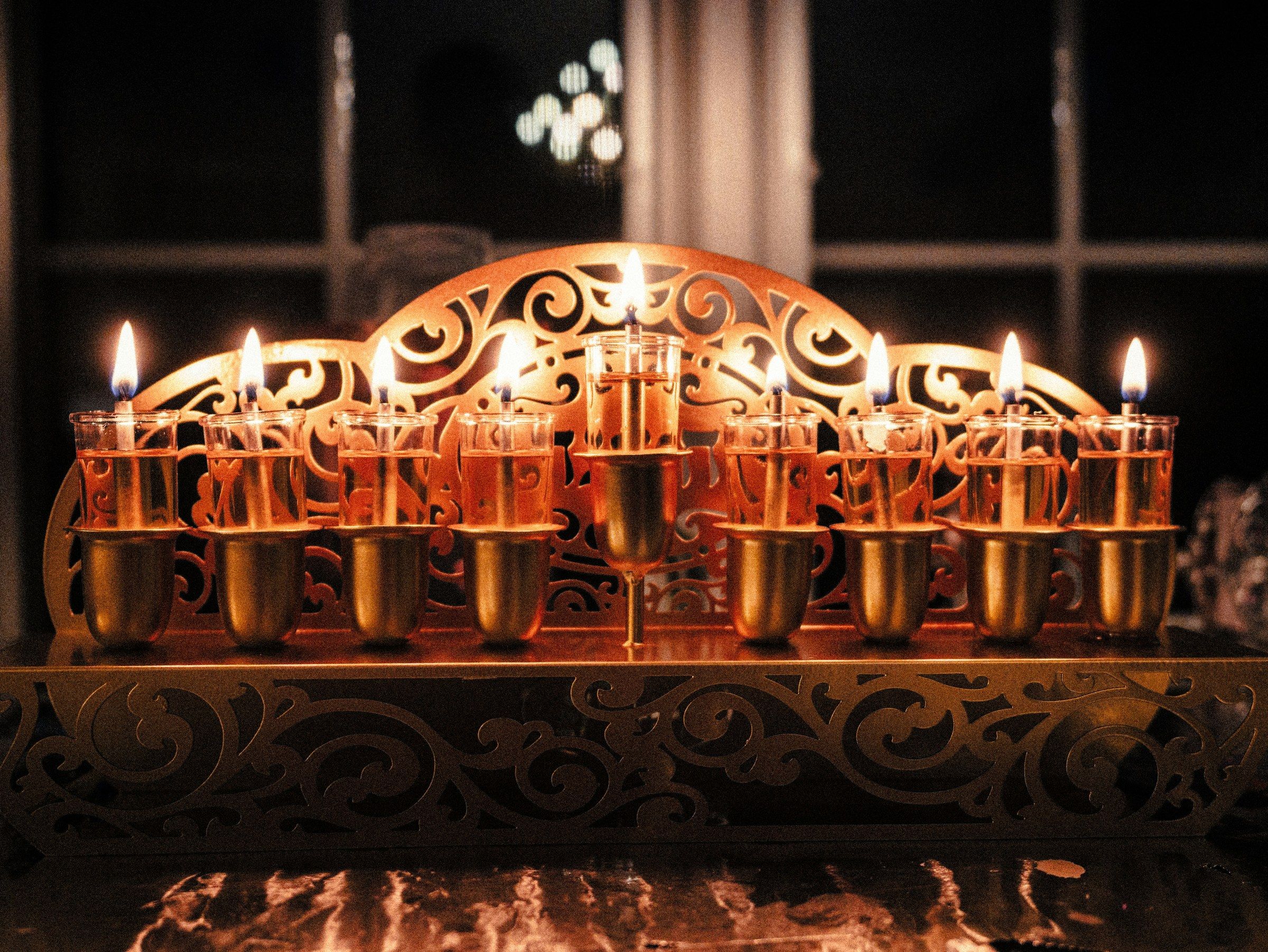
Rabbi Moshe Leib of Sassov refuses a wealthy woman's donation and asks instead for her precious silver menorah. On the first night of Chanukah, a poor silversmith learns why.
Everyone knew of the tzaddik of Sassov, Rabbi Moshe Leib. Thousands came to him for blessings and advice about their families and their livelihoods, and he never turned anyone away.
Once, when he was visiting the town of Brody, a wealthy woman came to ask him to pray for her daughter, who was gravely ill. When she gave her name and her father’s name, Rabbi Moshe Leib recognised the family at once. They were famous for their generosity to the poor. She told him about the child’s illness, and he promised to pray.
It was the custom to leave the tzaddik a donation for the poor or for some urgent cause, and the woman took an envelope from her purse and set it on the table. Rabbi Moshe Leib would not take it.
“I don’t want money from you.”
“Then what do you want, Rebbe? I would do anything in the world for my daughter.”
“I know you have a very beautiful and precious menorah. That is what I want.”
She was taken aback. “Rebbe, I do have such a menorah. It is a family heirloom, the most precious thing I own. But if you want it, I will give it to you gladly.”
He nodded slowly. “I know how dear it is to your family. If you give it to me, you must mean it with your whole heart, with no second thoughts at all.”
“I understand,” she said firmly, “and I mean it with all my heart. The menorah is yours. I will bring it today.”
That evening she brought it. Rabbi Moshe Leib’s students could talk of nothing else. How had the Rebbe known it existed? Why would he ask for a gift, which was so unlike him? And what did he want with it, when everyone knew he lit only the menorah he had received from his own teacher, Rabbi Shmelke of Nikolsburg?
The first night
On the first night of Chanukah, as the Rebbe prepared to light the first wick, a poor silversmith named Reb Yechiel Tzoref stood beside him. He had no idea why he had been given such an honour, but he was glowing with happiness.
When the light was burning, the Rebbe called Reb Yechiel into his study.
“I want to tell you a story about your grandfather, of blessed memory, whose name you carry.
“When the time came for your grandfather to marry off his daughter, he was so poor that no match could be found for her. No one would lend him money, because it was plain he could never pay it back. When he had tried everyone he knew, he went to a certain very rich man and asked for a loan for the wedding.
“The rich man said, ‘I know you will never be able to repay me. But I will make you an offer. I know you own a menorah more beautiful than any I have ever seen. Give it to me, and I will give you ten thousand gulden, enough for the wedding and more.’
“Your grandfather was shaken. Every year his Rebbe, Reb Zusha of Anipoli, used to give silver coins to his Chassidim. Your grandfather had kept every one, year after year, and they were dearer to him than anything on earth. When he had gathered enough, he melted them down and made from them a magnificent menorah. That was the menorah the rich man wanted. No, he thought, never.
“He refused, and went everywhere to borrow the money, and failed. In the end he had no choice. He accepted the rich man’s terms and parted from his beloved menorah.
“When the rich man passed away and stood before the Heavenly Court, the judges did not know how to rule. He had certainly done a great mitzvah, giving a poor man the means to marry off his daughter. But he had also coveted a poor man’s most precious possession, and caused him great pain. In the end the Court decided that his reward would be held back, because his mitzvah was bound up with the sin of coveting what belonged to another.
“That is why I arranged for the menorah to come back to you, his grandson. Now the sin is atoned for, and your grandfather’s benefactor can rest in peace and receive his eternal reward.”
Sources
- L'Chaim Weekly (Sichos in English), Chanukah: The Special Menorah.
Retold from a story in L'Chaim.
More Chanukah stories
To Merit the Menorah
In a poor Chassidic town, the honour of lighting the silver menorah always went to the highest bidder. One year a blacksmith climbed onto the bimah with an offer no one expected.

A Coachman's View
A coachman promises to get a group of Chassidim to their Rebbe in time for Chanukah, or they owe him nothing. They arrive two weeks late, and he has an argument for the rabbinical court.
Yosefa on Chanukah
On the last night of Chanukah, a freshman cramming for exams opens her dorm door to a rabbi with a bag of menorahs. Her mother threatens to call the police. Four years later, she comes back.
Choosing a Menorah
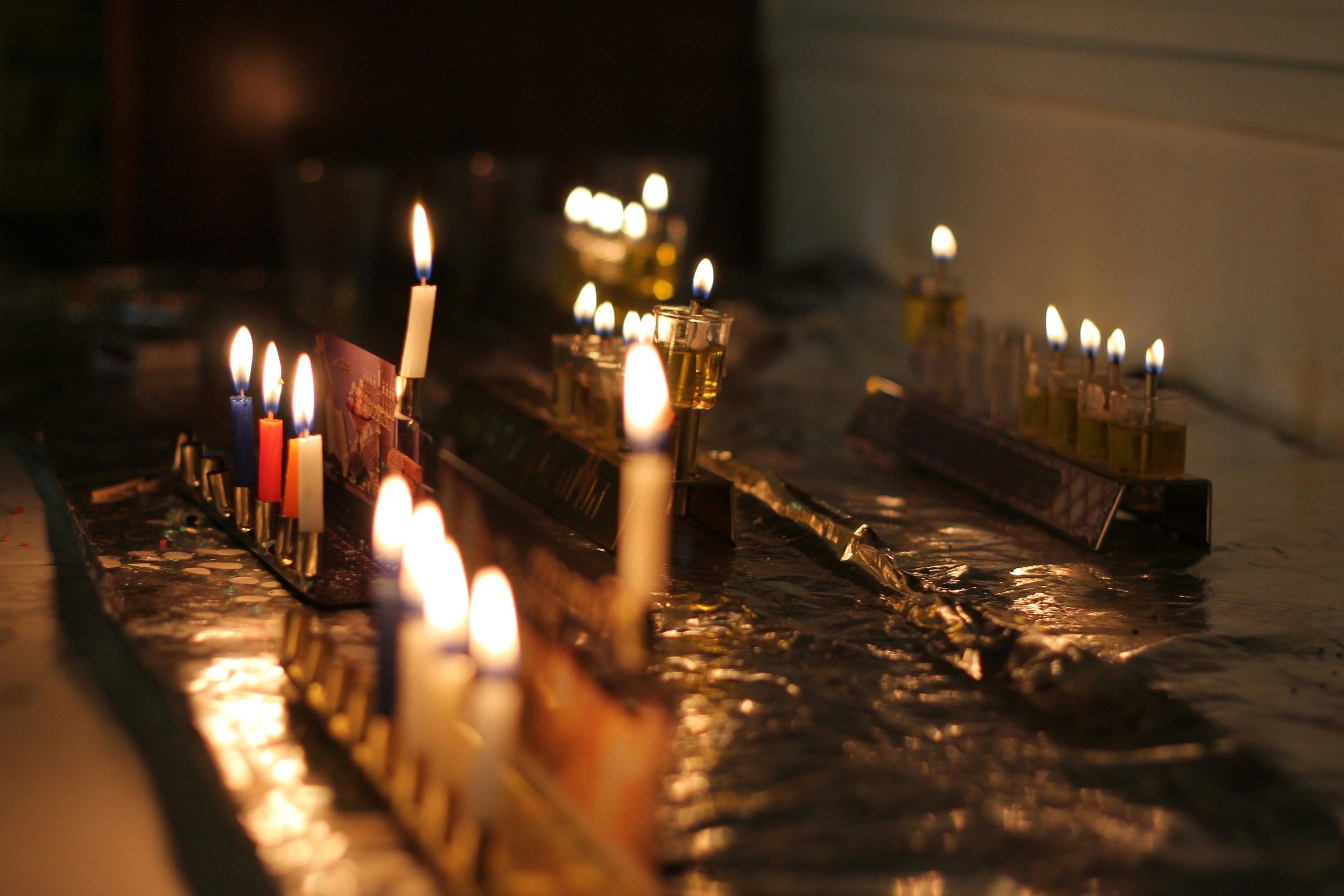
What makes a Chanukah menorah kosher and beautiful: lights in a straight row at one height, a shamash set apart, good materials, and why the Rebbe encouraged straight diagonal branches.