Yosefa on Chanukah
On the last night of Chanukah, a freshman cramming for exams opens her dorm door to a rabbi with a bag of menorahs. Her mother threatens to call the police. Four years later, she comes back.
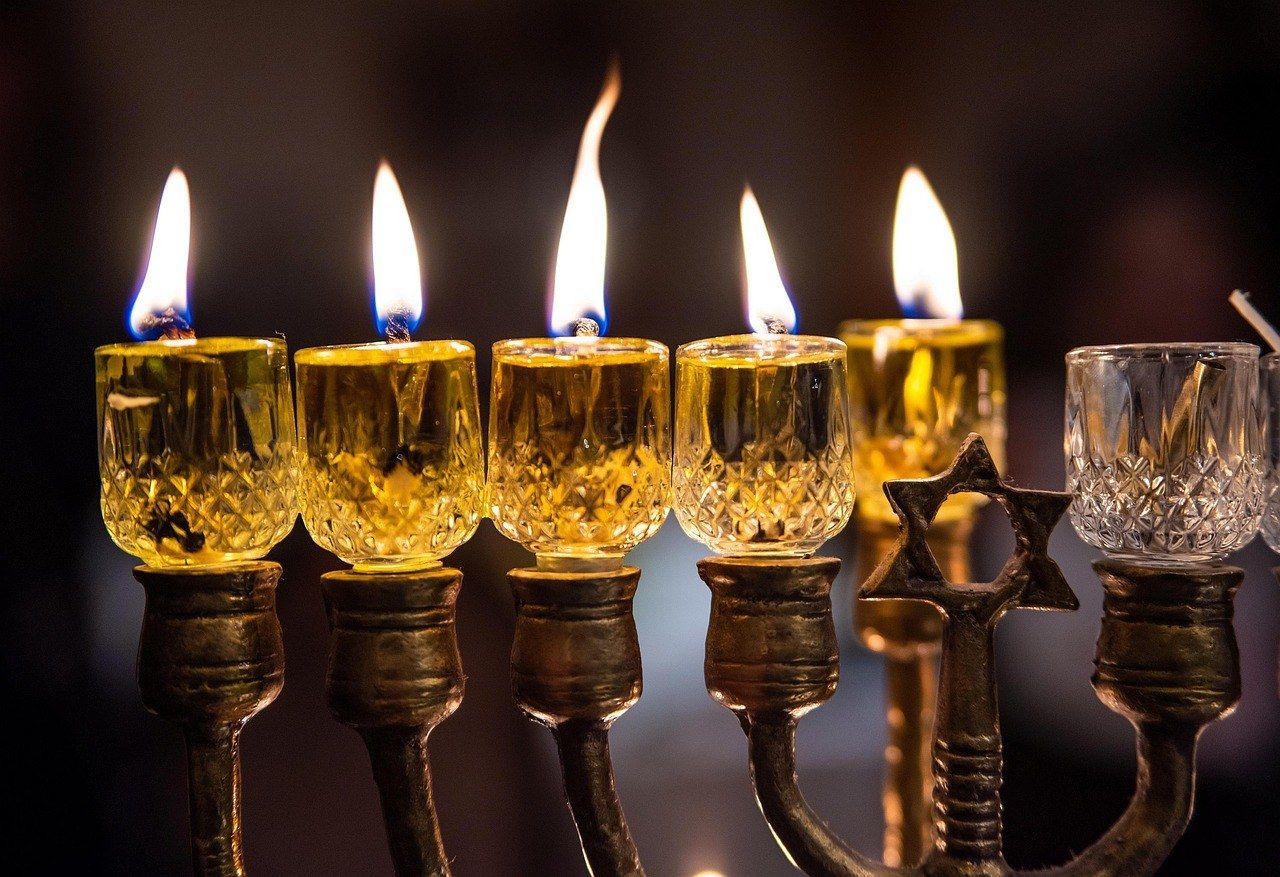
“Just remember,” Grandpa said, as Jill unwrapped her Chanukah present, a pair of ballet slippers. “One day you’ll make your own Jewish home. You must marry a Jewish man. Don’t ever forget it.”
How could she forget? He said it every time she saw him.
At eighteen, starting her first year at the University of Massachusetts at Amherst, Jill signed up for a course in dance therapy. The ballet slippers came to mind, and with them her grandfather’s Chanukah wish. She signed up for a course in Judaic studies too.
The semester flew by. On its last Saturday night, everyone in the dorm was cramming for finals. Jill could still hear her grandfather’s voice, and suddenly she realised: it’s the last night of Chanukah, and I haven’t done a thing. Chanukah just went by without me.
She had no idea that all week Rabbi Chaim Adelman of the campus Chabad House had been running Chanukah activities. Nor did she know that he had just received a fax: the Rebbe had spoken that Shabbos about how vital it was to reach out to Jews with Chanukah, even on the very last night.
Room to room
Rabbi Adelman grabbed a bag of menorahs and a camera and drove to one of the high-rise dorms, where he knew a student. He was let in, gave the student a menorah and photographed him lighting it. He was making an album of students who had taken part in his Chanukah activities, to send to the Rebbe. Then he started on the top floor of the twenty-two-storey building and worked his way down, room by room, offering menorahs to the Jewish students.
It was about eleven at night when Jill opened her door. She was delighted, and set the menorah on her windowsill.
“Our job is to light up the darkness of the world with the light of Torah and mitzvos,” Rabbi Adelman told her. “A Jew doesn’t need to fight the darkness. We just bring out the light, and the darkness goes away by itself.”
Jill said the blessings and lit the candles, and watched the flames dance, thrilled. There was no time to linger. Rabbi Adelman snapped a picture of her beside her menorah and hurried on.
“How did he get into the building?” her roommate asked when he had gone. “How do you know he’s even a real rabbi? And now he has your picture.”
The phone calls
Jill phoned her mother on Long Island and told her what had happened. When Rabbi Adelman got home, his phone rang.
“Are you the man who was in the dorm tonight with the Chanukah things?” a young woman asked. “Who are you? Why do you do this?”
He explained that he ran the Chabad House on campus, and that his work was to reach out to Jewish students, teach them about their heritage and give them the chance to do mitzvos, like lighting a menorah or enjoying a Shabbos meal. She asked more questions, and at last, satisfied that he really was a rabbi, she hung up.
A little later her mother called, and threatened to call the police.
Rabbi Adelman was shaken. He tried to set up a call between the head of his Chabad House, himself and the girl’s parents, but they could not reach the parents. Life went on, and the whole thing was forgotten.
Almost. One sentence stayed with Jill: “Our job is to light up the darkness.”
Yosefa
After her third year, she went to Israel to try to understand what being Jewish meant to her. She enrolled in the Judaic studies programme at the Hebrew University in Yerushalayim. One of her courses, on Jewish mysticism, was taught by a Lubavitcher, and she found that the only people who answered her questions in a way that satisfied her were the Lubavitchers. By the time she left Israel she was keeping the mitzvos, and going by her Jewish name, Yosefa.
In the middle of that summer she turned up at the Chabad House in Amherst and found Rabbi Adelman.
“Hi. I’m coming back in the fall for my last semester. Could I work for the Chabad House? I’m on work-study.”
He saw at once that she was articulate and poised. “Where have you been all this time? We can always use help.”
She told him about her year in Israel, and that the Chabad rabbi near her parents on Long Island had advised her to finish her degree. “You’ve got the job,” he said. “I need you even before classes start, at orientation. Can you be here on August 25th?”
She and another student sat with him at the orientation table, greeting new students and telling them about Chabad House activities. In a quiet moment she said, “Rabbi Adelman, I have to tell you something. But promise you won’t hold it against me.”
“Go ahead,” he laughed.
“Do you remember, about four years ago, handing out menorahs in a dorm on the last night of Chanukah? I was the girl who called you that night. It was my mother who threatened to call the police.”
“That was you!” he said. “That was nothing.”
Yosefa grew close to the Adelman family and organised many programmes for the Chabad House. When she graduated, she went home to Long Island for a few days, and then on to Crown Heights, to study full time at Machon Chana, the women’s yeshivah there.
Sources
- Tzvi Jacobs, L'Chaim Weekly (Sichos in English), Chanukah: Yosefa on Chanuka.
Retold from a story by Tzvi Jacobs in L'Chaim.
More Chanukah stories
A Chanukah Adventure
On his way to hand out menorahs on Long Island, a young teacher is pulled over for speeding. The officer turns out to be Jewish, and a traffic stop becomes an invitation.
The Menorah in Union Square
A San Francisco lawyer who has not lit a menorah in fifteen years takes his daughter to a public lighting in Union Square. A hostile stranger pushes toward the torch.
The Rebbe's Chanukah Campaign
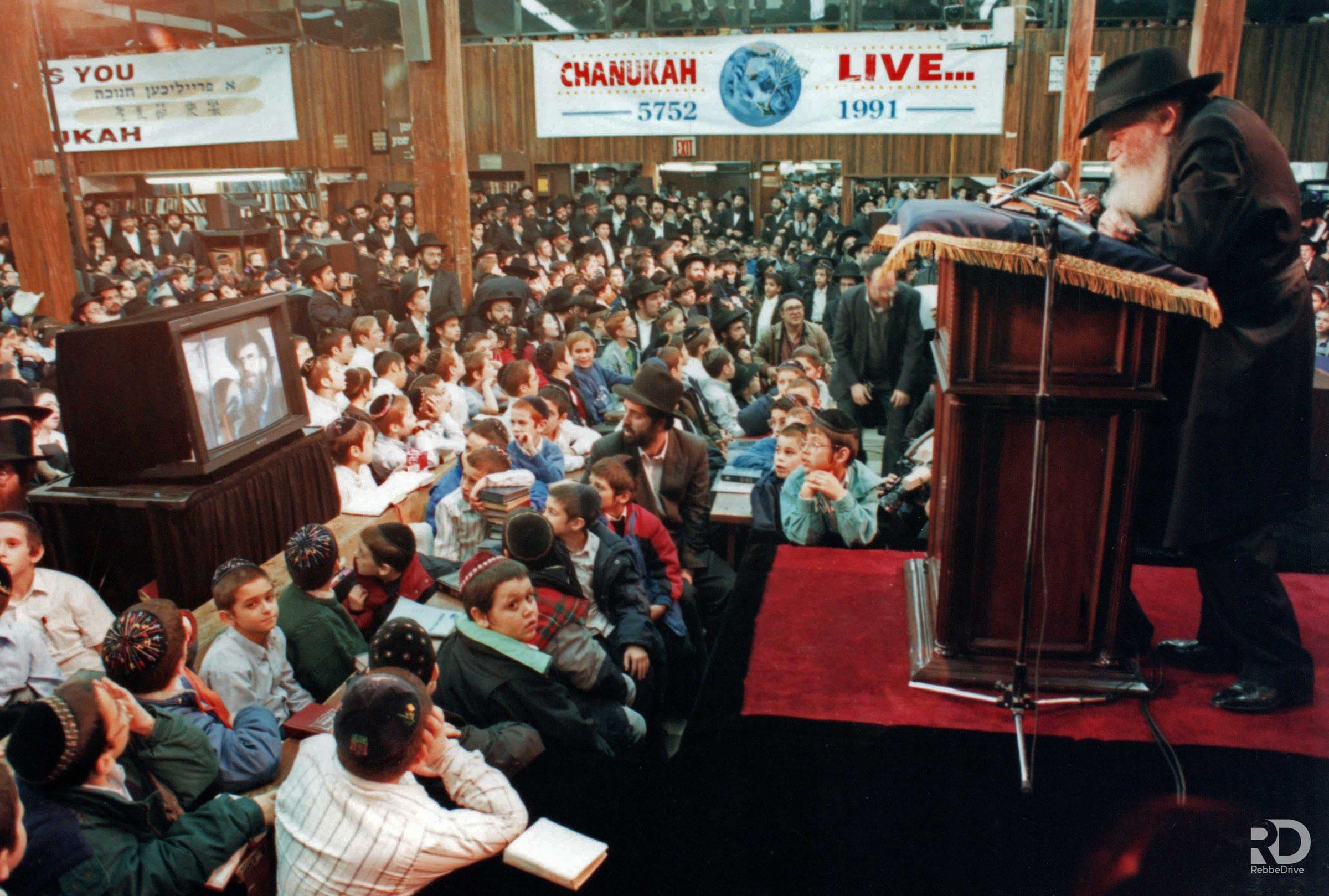
Why the Rebbe Melech HaMoshiach set out to bring a menorah into every Jewish home and into the public square, what he asked of every Jew during Chanukah, and how the campaign connects with the Geulah.
The Meaning of Zos Chanukah
The eighth day of Chanukah is called Zos Chanukah, after the Torah reading of the day. Why it is the summit of the festival, and how its eight lights point to the Geulah.
HaGeula