Why Did the Greeks Defile the Oil?
The Greeks did not pour the oil away. They left it in place and made it impure. The Rebbe explains what that choice reveals about the war of Chanukah.
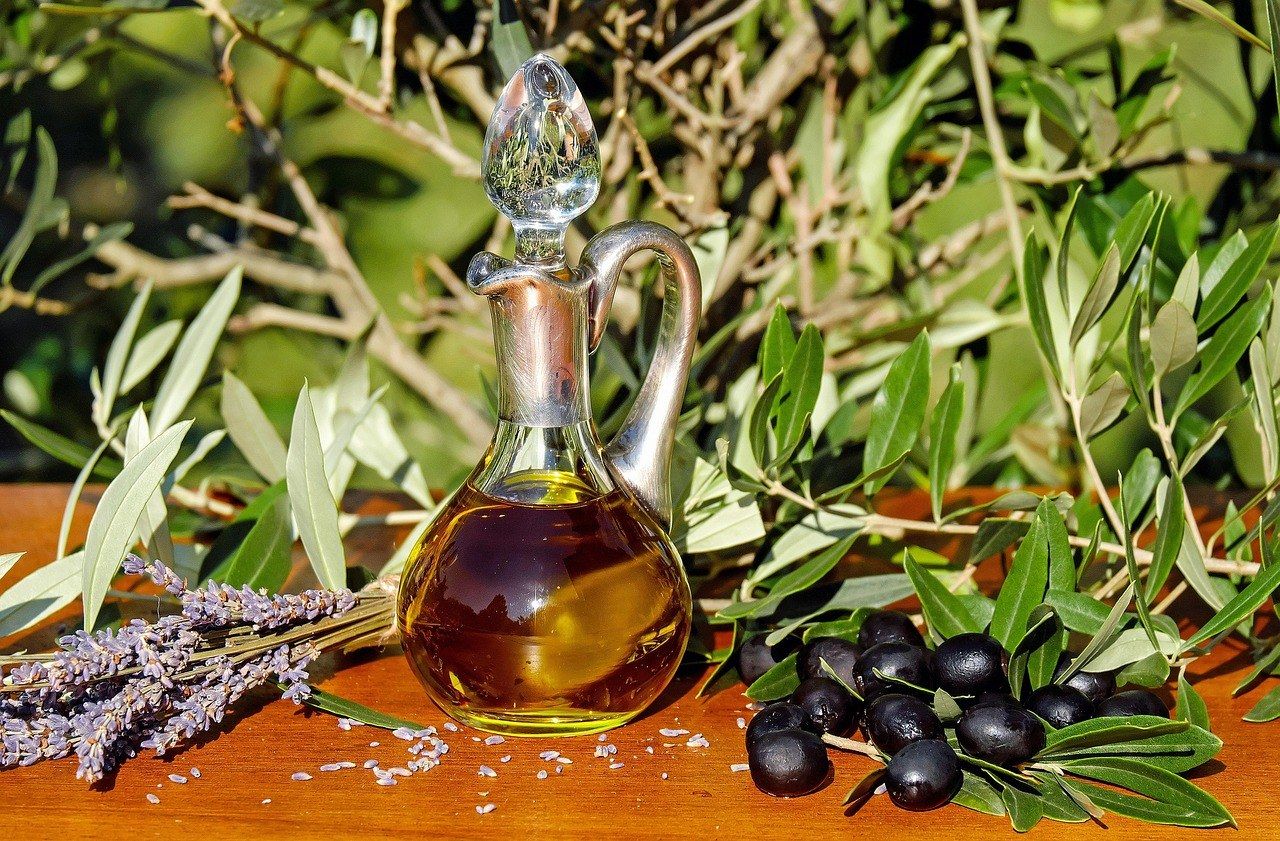
The Gemara gives the bare facts. When the Greeks entered the Sanctuary, they defiled all the oils that were there. When the Chashmona’im (the Maccabees) overpowered them, they searched and found only one cruse of oil still sealed with the seal of the Kohen Gadol, the High Priest.1
Look at the wording. The Greeks did not spill the oil, burn it or carry it off. They left the jugs where they stood and made the oil inside them tamei, ritually impure. An army set on stopping the lighting of the Menorah could have simply destroyed the oil. Why did they go to the trouble of defiling it?
What the Greeks wanted
The Rebbe Melech HaMoshiach answers by looking at what the Greeks were fighting for.2
The Greeks were not a nation of brutes. They were thinkers, builders and artists who admired wisdom wherever they found it, including in the Torah. Their decrees did not forbid the study of Torah as such. What they demanded was that the G-dliness be taken out of it. Torah could stay, as long as it was understood as a body of human wisdom with only a rational basis. The mitzvos could stay, as long as they were kept because they made sense and not because G-d commanded them.
The prayer we add on Chanukah, Al Hanissim, describes the Greek aim in the same terms: to make the Jewish people forget “Your Torah” and to make them stray from “the statutes of Your will.” The quarrel was with Torah as G-d’s Torah.
Oil, in this picture, is the symbol of light and G-dliness. The Greeks had no need to remove it. Their whole aim was for it to remain, outwardly unchanged, with its holiness gone. That is what defilement does. The oil still looks like oil, pours like oil and burns like oil. Only its purity has been taken away.
A scene in the olive grove
A children’s telling of this talk, published in Sichos in English, imagines how it may have looked. The Greek king sends soldiers to walk among the Jews and report back. They find a merchant who returns a customer’s extra gold coin, and they shrug: honest dealing makes sense to anyone. They see a mezuzah on a door and decide that a scroll reminding people of their history is reasonable enough.
Then they pass an olive grove and see a worker collecting the oil one drop at a time, from each olive. One of them offers to show him a faster way. The worker thanks him and explains that he uses presses for ordinary oil, but these first drops are for the Menorah in the Beis Hamikdash, and this is how G-d said to prepare it. “You do it just because your G-d says so?” The worker nods and goes back to work.
That was the part the king could not accept. Let them light their Menorah, he decides. But their oil will get a Greek touch.
Why the Jews insisted on pure oil
The Jews’ answer was as telling as the Greek attack. The Menorah was lit with oil of the highest purity. Yet halacha allows impure oil to be used when there is no choice, and the Menorah could have been lit with what the Greeks left behind.3 The Chashmona’im would not do it. They searched until they found one cruse that the Greeks had not touched, still under the High Priest’s seal, and lit with that.
They did not lower the standard to fit the circumstances. They lit with the purest oil they had, a single night’s worth, and left the rest to Hashem. The miracle answered in kind: the one cruse burned for eight days.
The two sides of the story mirror each other. The Greeks fought the part of Judaism that lies above reason, and the oil they defiled stood for it. The Jews answered with mesirus nefesh, self-sacrifice that does not stop to calculate. A handful of fighters with hardly any weapons stood against the strongest army in the world because G-d’s Torah could not be made into something else. The miracle that followed was above nature too.
The lesson of the pure oil
This is why the Sages built the festival around the oil rather than the battle. Every Chanukah, a Jew lights with the purest oil or candles he can find and adds a light each night, though one light would satisfy the basic law. It is a small, steady statement that the Torah and its mitzvos are G-d’s, kept because He commands them, and that what is pure stays pure.
Footnotes
Sources
- Sichos in English, Chanukah: The Secret of Chanukah.
- Sichos in English, The Greek Touch (Please Tell Me What the Rebbe Said).
- Sichos in English, Chanukah: Guaranteed Pure Oil.
Adapted from Sichos in English, based on Likkutei Sichos, vol. 3.
Related
The Miracle of the Oil
One sealed jug of pure olive oil, enough for a single day, kept the menorah of the Beis Hamikdash burning for eight days. What the Talmud says, and how the commentators explain it.
The Secret of Chanukah
The decrees, the self-sacrifice and the miracles of Chanukah were all above reason. The Rebbe explains how that makes Chanukah a blueprint for Jewish life.
Sichos in EnglishWhy Do We Celebrate the Miracle of the Oil?
Chanukah had two miracles, a victory in battle and the oil that burned eight days. The Sages built the festival around the oil. The Rebbe explains why, and what it says about body and soul.
Sichos in English
Maccabean Faith
The Maccabees did not count the odds. They rallied the people with 'Whoever is for G-d, with us,' and won. The same faith brings the Geulah.
Al Hanissim
"For the miracles": the thanksgiving added to every Amidah and to Grace After Meals on Chanukah, in Hebrew (Chabad wording) with transliteration and translation, and what to do if it is forgotten.