The Maccabees
Who the Maccabees were, what they fought for, and why a handful of priests went to war against an empire.
The Maccabees were the family of Matisyahu, a priest of the line of Chashmona’i, and the small army that gathered around them. In the sources they are called the Chashmona’im, the Hasmoneans. The name Maccabee belonged first to Matisyahu’s son Yehuda, the commander, and in time came to stand for all of them. On their shields, Living With Moshiach relates, they carried the verse Mi chamocha ba’eilim Hashem, “Who is like You among the mighty, O G-d?”
A war about the soul
HaGeula makes the point plainly: Jews do not make a festival to remember a victory on the battlefield. Chanukah celebrates a victory of the spirit, of Torah and mitzvos. So that no one would mistake what the war had been about, Hashem crowned it with the miracle of the jug of oil.
The Greek rulers did not want to destroy the Jews. Throughout their empire they absorbed conquered peoples into Greek culture, and that was their plan for the land of Israel. Al Hanissim says they tried “to make them forget Your Torah and to turn them away from the decrees of Your will.”
The Rebbe Melech HaMoshiach draws out the exact wording. The Greeks did not mind the Jews studying Torah, as long as they studied it as human wisdom. They did not mind the mitzvos, as long as they were treated as national customs. What they fought was Your Torah, the Torah as G-d’s word, and the chukim, the commandments that rise above human reason. That is also why they defiled the oil and left it in the Sanctuary rather than destroying it: they wanted the menorah lit, but with a Greek touch.
Against all reason
By any natural calculation the Maccabees had no chance. They were a handful of priests and farmers facing a vast professional army. HaGeula asks how they were allowed to go to war at all. In a time of persecution a Jew must give his life rather than give up a mitzvah, but no law obliges anyone to open a hopeless war.
The answer lies in who they were. “Through Your holy priests,” says Haneiros Halalu; “the sons of Chashmona’i, the High Priests,” writes the Rambam. Their self-sacrifice had no limit or measure, the level the halacha permits only to a person of great piety in a generation that has broken loose. Because their devotion went beyond every limit, Hashem answered them with miracles beyond the limits of nature: the many fell to the few, the strong to the weak, and one day’s oil burned eight days.
The jug of oil in every heart
The Rebbe connects the sealed jug with the High Priest himself. The Rambam writes that the High Priest lived in Yerushalayim and never left it. The name Yerushalayim combines yirah and shalem, “complete awe.” Every Jew has such a place inside, a bond with G-d that is never broken, though it may lie hidden in ordinary times. When a challenge comes, it surfaces, as it did in the Maccabees. That bond is our jug of oil with the seal intact.
Faith before calculation
Living With Moshiach draws the lesson for our own time. The Maccabees acted by natural means, as an army does, but with complete faith, and they did not stop to count the odds. Their rallying cry was “Whoever is for G-d, follow me,” for the honour of G-d’s name alone. In the same way, our Sages teach that the final redemption will come in the merit of the Jewish people’s faith in G-d and in the coming of Moshiach. Living With Moshiach calls the Rebbe “the Matisyahu of our generation,” who has announced that the time of the Redemption has arrived. The task is to rally behind that call, add in Torah and mitzvos and acts of goodness, and get ready to greet Moshiach.
Sources
- Sichos in English / L'Chaim, Chanukah: Why The Maccabees Rebelled.
- HaGeula, החשמונאים והלקח לימינו.
- HaGeula, לצאת למלחמה חסרת סיכוי.
- Sichos in English / L'Chaim, Chanukah: The History of Chanukah.
- Rabbi Y.Y. Shagalov, Living With Moshiach, Your Chanukah Guide (Living With Moshiach, Mikeitz 5759).
Adapted from L'Chaim (based on Likkutei Sichos) and HaGeula.
Related
Matisyahu and His Sons
Matisyahu ben Yochanan, the elderly priest of Modiin, and his five sons, who began the revolt against the Greeks and led the Jewish people to victory.
The History of Chanukah
The historical background of Chanukah: Greek rule over the land of Israel, the Hellenist crisis, the decrees of Antiochus, the Hasmonean revolt and the rededication of the Beis Hamikdash, with a timeline.
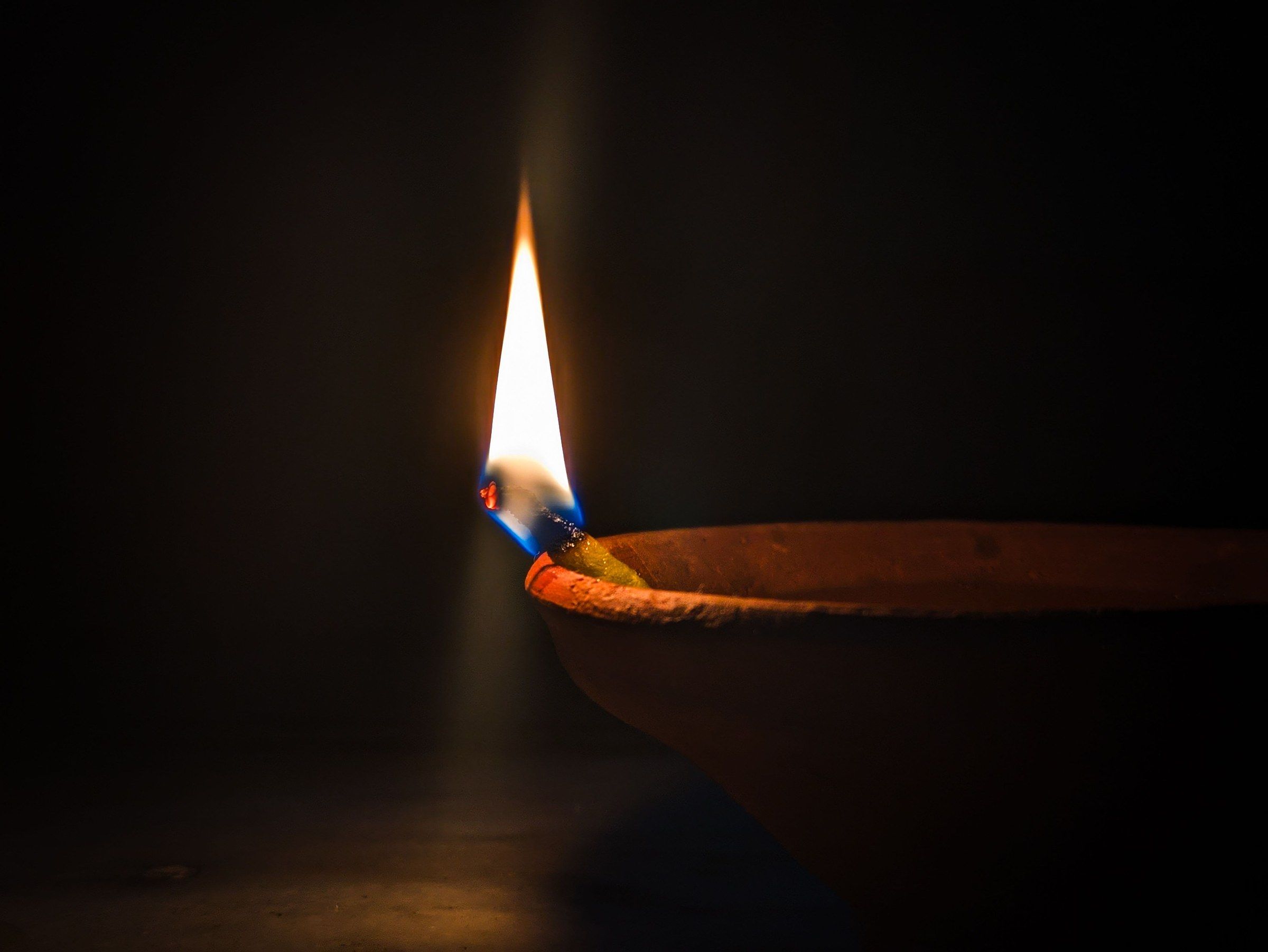
The Story of Chanukah
From the Greek decrees and the stand at Modiin to the miracle of the oil: the Chanukah story, told from the traditional sources.
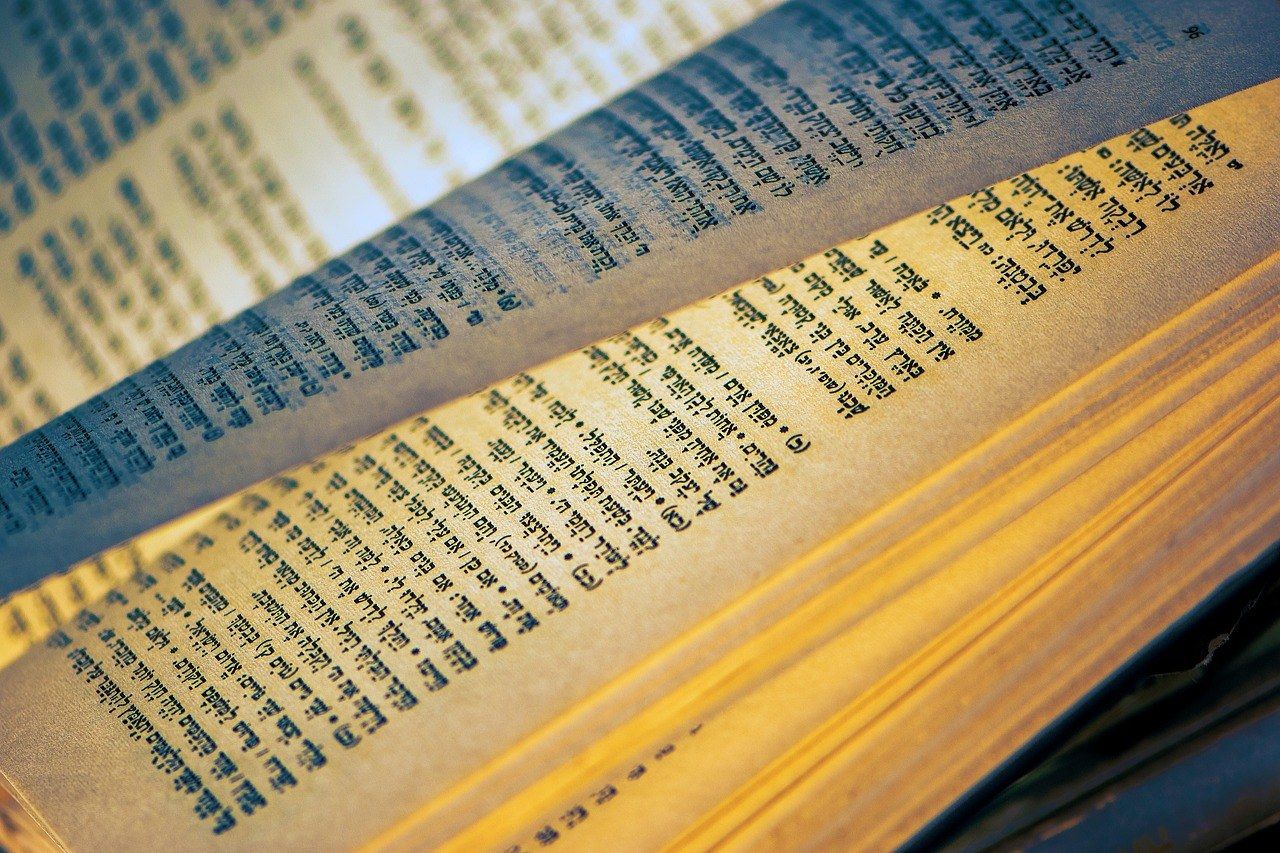
Maccabean Faith
The Maccabees did not count the odds. They rallied the people with 'Whoever is for G-d, with us,' and won. The same faith brings the Geulah.
Why Did the Greeks Defile the Oil?
The Greeks did not pour the oil away. They left it in place and made it impure. The Rebbe explains what that choice reveals about the war of Chanukah.
Sichos in English