The Story of Chanukah
From the Greek decrees and the stand at Modiin to the miracle of the oil: the Chanukah story, told from the traditional sources.
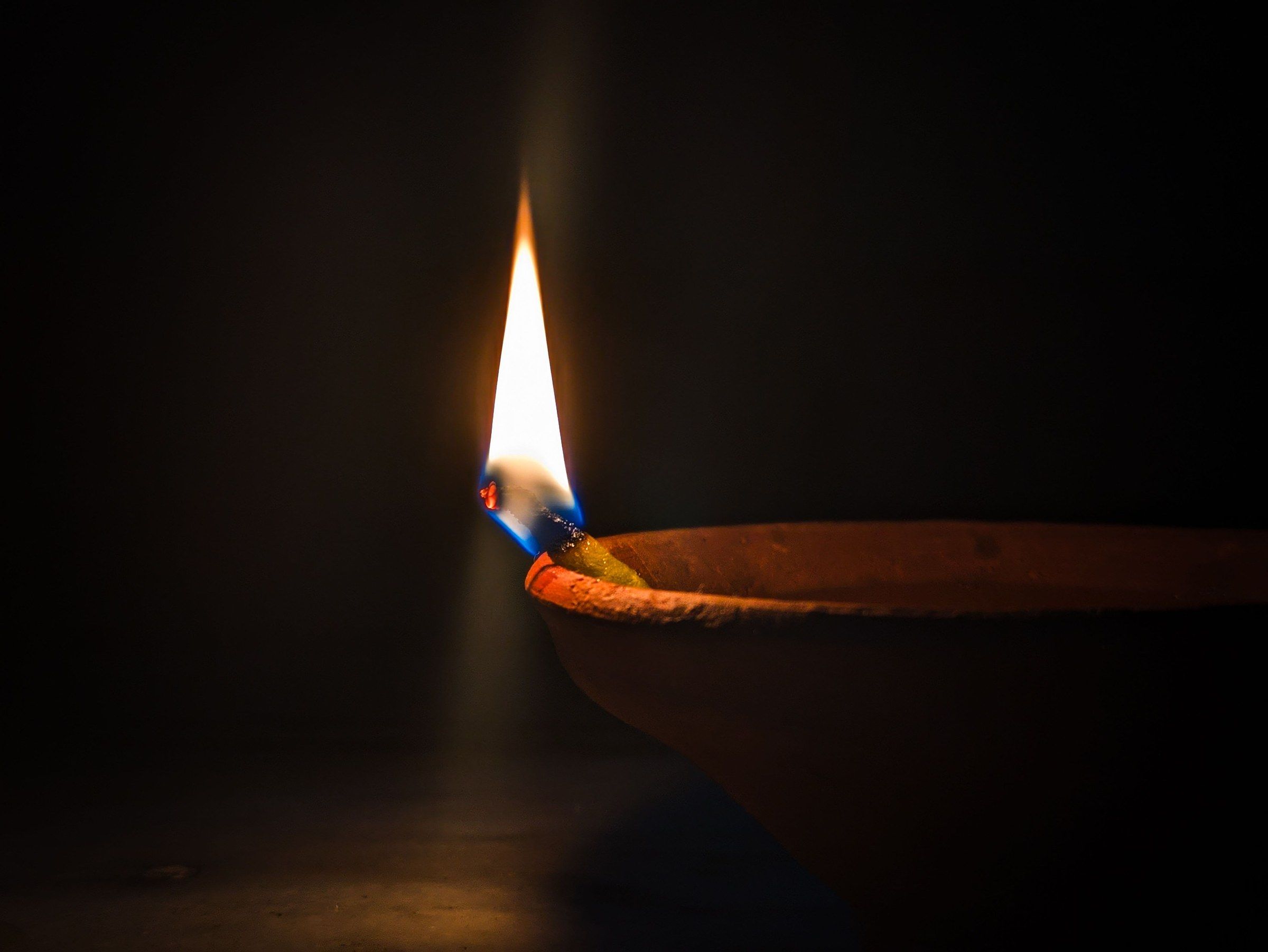
Under foreign rule
The events of Chanukah took place in the time of the Second Beis Hamikdash, more than twenty-one centuries ago. The Jewish people had come home from the Babylonian exile and rebuilt the Holy Temple, but they were never fully free. First Persia ruled the land, then Alexander the Great.
The Talmud tells that when Alexander marched on Yerushalayim, the High Priest Shimon HaTzaddik came out to meet him at the head of the elders. Alexander got down from his horse and bowed. He told his astonished officers that before every battle he saw a vision of this man leading his army to victory. Alexander treated the Jews generously for the rest of his life.
When he died, his empire was split among his generals, and in time the land of Israel fell to the Seleucid kings, Greek rulers who reigned from Syria.
Antiochus
At first the Seleucids left the Jews in peace. Then Antiochus IV came to the throne. He called himself Epiphanes, “god made manifest”; even his own courtiers called him Epimanes, “the madman.”
By then many Jews had been drawn to Greek culture, with its games, theatres and idols. These Hellenists, as they were called, were happy to help the king. A Hellenist named Joshua, who now called himself Jason, bribed Antiochus to make him High Priest, and built a gymnasium beside the Beis Hamikdash. Soon another Hellenist, Menelaus, outbid him with gold taken from the Temple treasury. When Jason attacked Menelaus in Yerushalayim, Antiochus took the fighting for a revolt against him. His army plundered the Beis Hamikdash and killed tens of thousands of Jews.
Then came the decrees. Shabbos, circumcision and the sanctifying of the new month were forbidden. Torah study was a crime. An idol was set up on the altar of the Beis Hamikdash, and in every town altars were built where Jews were forced to sacrifice to the Greek gods. Antiochus did not want to wipe out the Jewish people. He wanted them to stay alive and give up their souls. Those who bowed to his gods were rewarded; those who refused were put to death.
Many chose death. The stories of the scholar Elazar, and of Chana and her seven sons, who would not bow to an idol, have been told ever since.
Modiin
In the small village of Modiin, not far from Yerushalayim, Greek officers set up an altar and called on the Jews to sacrifice. Matisyahu, an elderly priest of the Chashmona’i family, stood up to them. With his five sons he attacked the soldiers, struck down the idolaters and smashed the altar. Then he called out, “Whoever is for G-d, follow me!” and led his followers into the hills.
The few against the many
After Matisyahu’s death his son Yehuda, called the Maccabee, took command. His small force grew from day to day. On their shields, tradition says, they carried the verse Mi chamocha ba’eilim Hashem, “Who is like You among the mighty, O G-d?” They struck at the Syrian columns by night and vanished back into the hills. Six thousand fighters defeated an army of forty-seven thousand.
Antiochus sent a larger army. At Beis Tzur the Jews won a decisive battle, and the way to Yerushalayim lay open.
The jug of oil
The Maccabees found the Beis Hamikdash in ruins. They cleared out the idols, built a new altar, and prepared to resume the service. The daily lighting of the golden menorah was at the heart of that service, and it required pure olive oil. The Greeks had made all the oil they found impure. After a search, the Maccabees found one small jug that still carried the seal of the High Priest. It held enough oil for a single day, and making new pure oil would take more than a week.
They lit the menorah anyway, with joy. The oil did not run out. The flames burned for eight full days, until new oil was ready.
The fighting ended on the 25th of Kislev. A year later the Sages established eight days, beginning on that date, as days of Hallel and thanksgiving. Ever since, Jews have lit the Chanukah lights every year, in every land, one more each night.
The story continues
The Rebbe Melech HaMoshiach wrote that each Chanukah we should picture ourselves among that little band of Chashmona’im. They did not count soldiers or weapons before they went out to fight; they knew only that the Torah was in danger. In every Jewish heart, the Rebbe wrote, there is a drop of pure oil that has never been touched, and once it is kindled it bursts into a great flame. That light will pierce the darkness of this last exile, until we see the promised redemption.
Sources
- Rabbi Y.Y. Shagalov, Living With Moshiach, Your Chanukah Guide: The History of Chanukah (Living With Moshiach, Vayeishev 5760).
- Rabbi Moshe Bogomilsky, Sichos in English, Vedibarta Bam: The Gemara's Account.
Retold from Living With Moshiach's Chanukah Guide, with Vedibarta Bam.
Related
The History of Chanukah
The historical background of Chanukah: Greek rule over the land of Israel, the Hellenist crisis, the decrees of Antiochus, the Hasmonean revolt and the rededication of the Beis Hamikdash, with a timeline.
The Maccabees
Who the Maccabees were, what they fought for, and why a handful of priests went to war against an empire.
Matisyahu and His Sons
Matisyahu ben Yochanan, the elderly priest of Modiin, and his five sons, who began the revolt against the Greeks and led the Jewish people to victory.
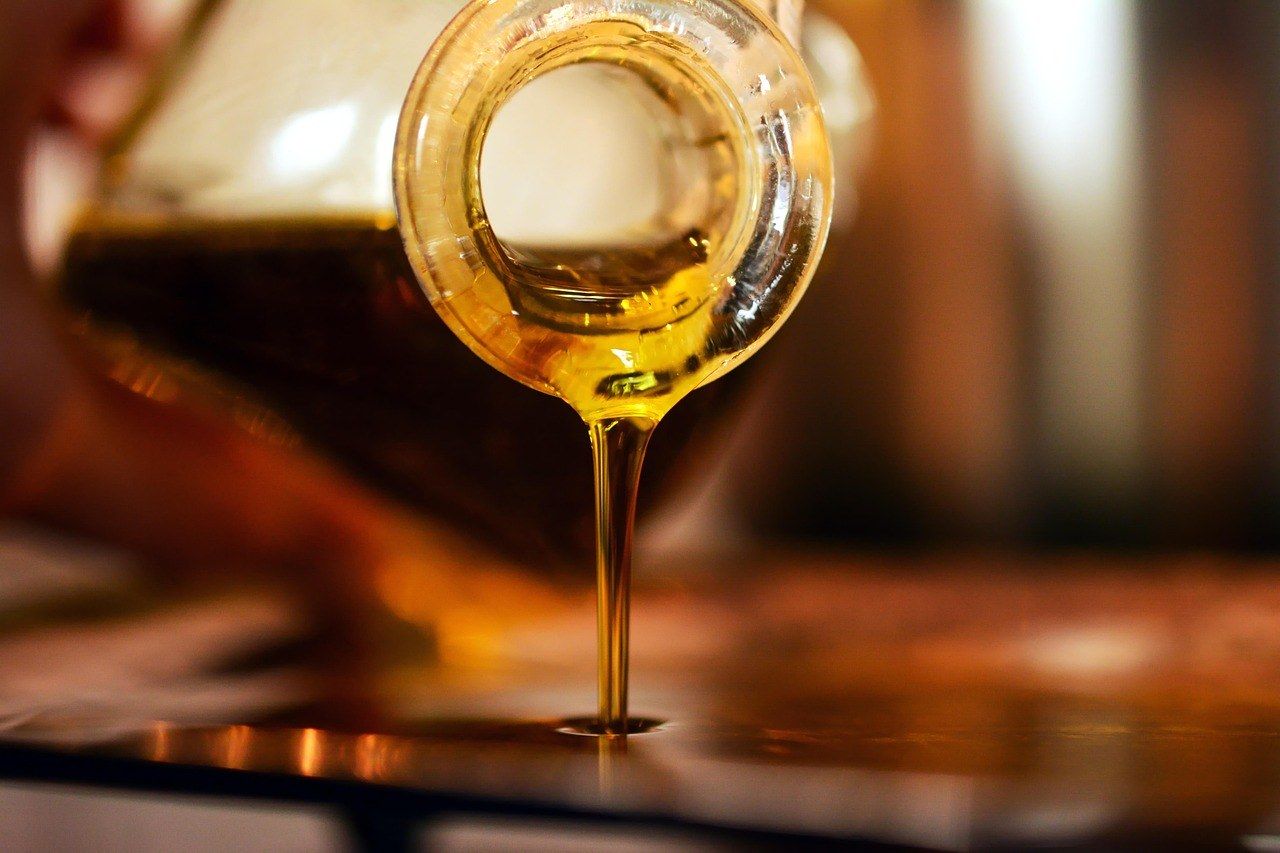
The Miracle of the Oil
One sealed jug of pure olive oil, enough for a single day, kept the menorah of the Beis Hamikdash burning for eight days. What the Talmud says, and how the commentators explain it.
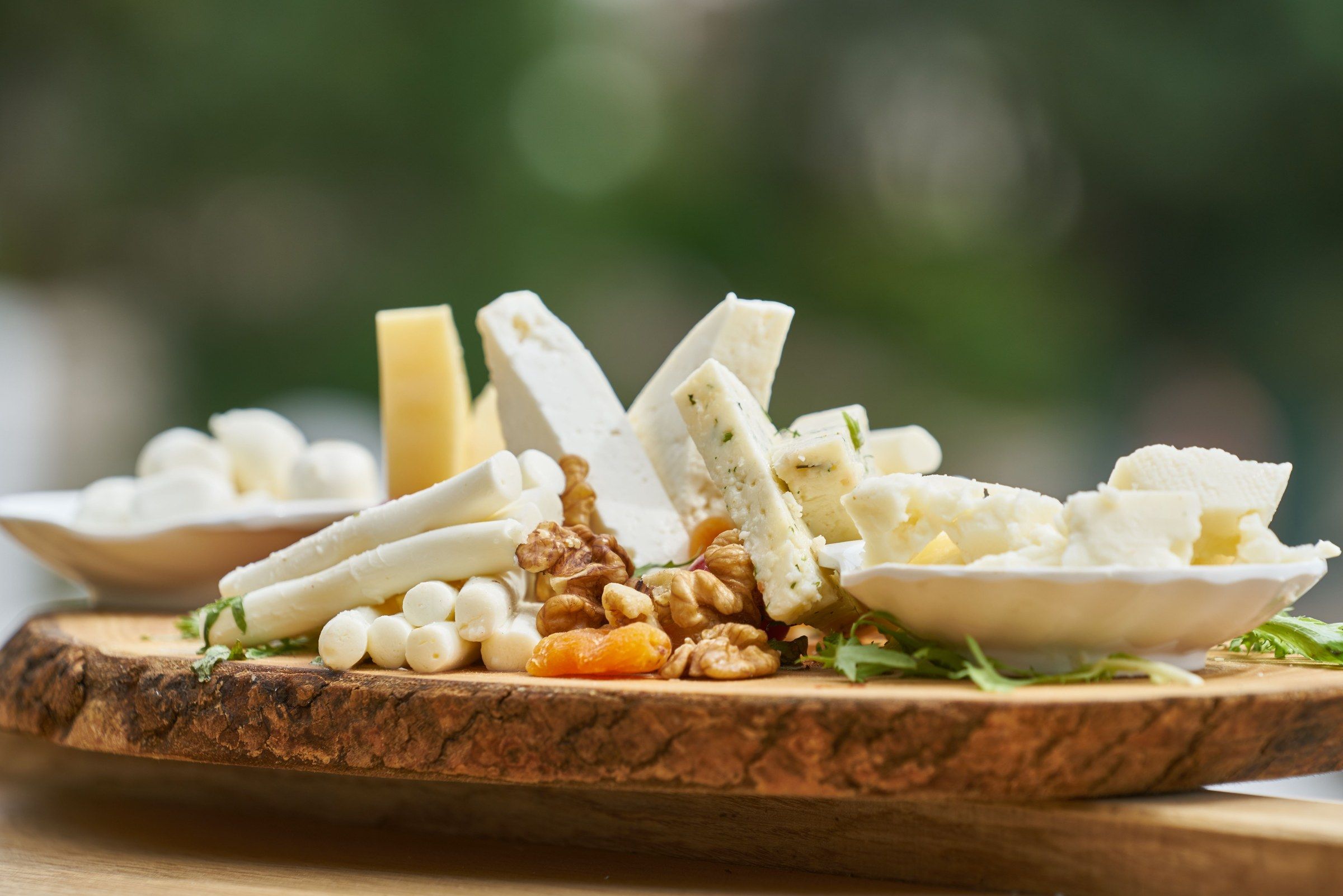
The Story of Yehudis
Yehudis, daughter of Yochanan the High Priest, saved her besieged town by going alone into the enemy camp. Her story is why dairy foods are eaten on Chanukah.