The Story of Yehudis
Yehudis, daughter of Yochanan the High Priest, saved her besieged town by going alone into the enemy camp. Her story is why dairy foods are eaten on Chanukah.
The siege
The town of Bethulia, in Judea, was surrounded. A huge Syrian-Greek army had come under its general, Holofernes, and the men of the town had fought bravely, but Holofernes cut off their food and their water. Before long the town was ready to give up.
Uzzia, the commander of the defence, and the elders begged the people for five more days to find a way out. Everyone agreed, reluctantly, except one woman.
“Why are you testing G-d?” she asked. “If you really have faith, you never give up your trust in Him. And don’t you know that surrender to Holofernes is worse than death?”
She was Yehudis, daughter of Yochanan the High Priest, a young widow known for her grace and her beauty. Her words shook the elders. “What can we do?” they asked. “Pray for us.”
“I have a plan,” said Yehudis. “I am going to Holofernes.”
They were horrified, but she would not be moved, and in the end they let her go.
In the enemy camp
Yehudis left through the town gate in her finest clothes, together with her faithful maid, who carried a basket of rolls, cheese and wine. Sentries stopped them. “I have an important message for Holofernes,” Yehudis said. “Take me to him.”
The general was taken with her at once. She told him that the town was starving and thirsty, but that as long as the people kept their faith they would never surrender. Soon, she said, hunger would drive them to eat forbidden food, and then G-d would turn against them and the town would fall. She had arranged with a watchman at the gate, she said, to tell her when that happened.
Holofernes believed every word. He gave Yehudis and her maid freedom to come and go through the camp, and ordered that anyone who bothered them be put to death. Each evening Yehudis walked to the gate and told the watchman that all was going to plan, and that the people must keep their trust in G-d strong.
The banquet
On the third day, the general was growing impatient. Yehudis brought him the news he wanted: the kosher food was gone, and in a day or two the people would be eating their mules and dogs. Holofernes was delighted and declared a private celebration for that night.
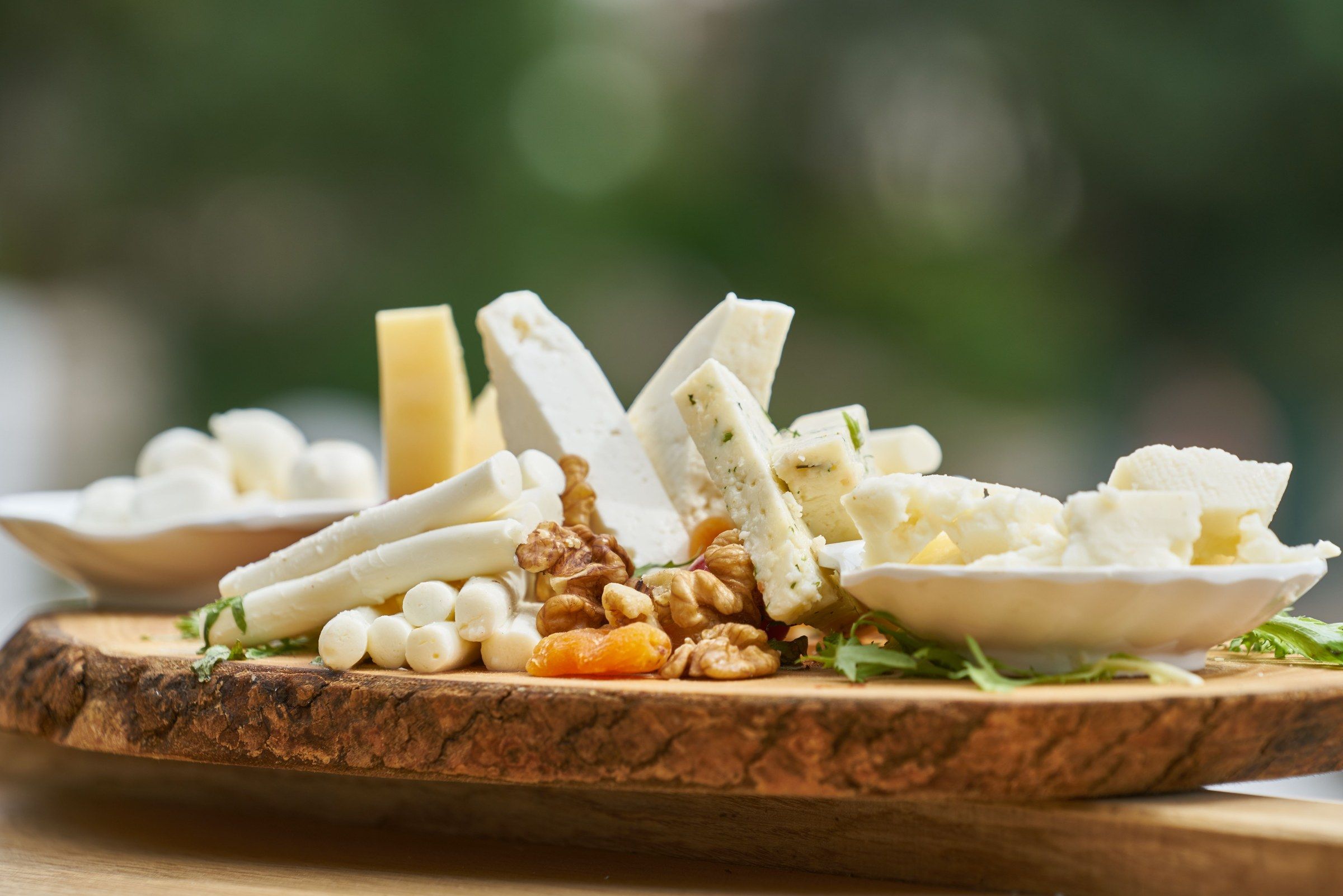
That evening he offered her the delicacies on his table. Yehudis said she had brought her own food for the occasion; her goat cheese, she told him, was famous all over Bethulia. The salty cheese made him thirsty, and he drank the strong wine she poured until he lay on the floor, completely drunk.
Yehudis whispered a prayer, drew the general’s heavy sword and struck. She hid his head in her basket and walked calmly back to her tent, and from there, with her maid, out of the camp at the same unhurried pace as every other night, until they reached the town gate.
The rescue
“Take me to Uzzia,” she said. When the commander saw what was in the basket, he could hardly believe it. “There is no time to lose,” Yehudis told him. “Attack at dawn. When his men find their general’s body, they will run.”
That is exactly what happened. The enemy fled in panic, and the brave, G-d-fearing Yehudis had saved the town.
The custom
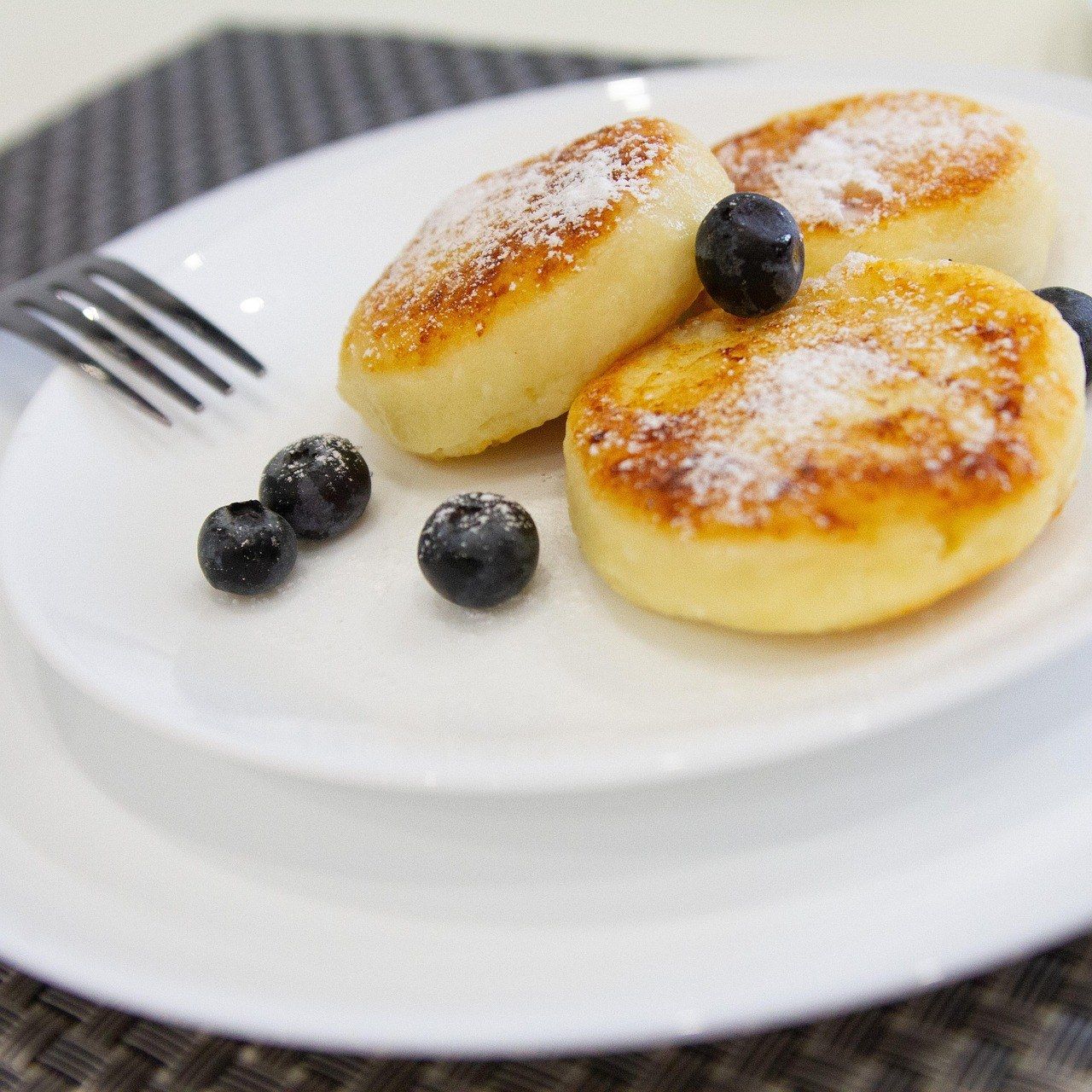
Because the victory came through cheese, there is a custom to eat dairy foods on Chanukah. The Badatz of Crown Heights records the custom to serve cheese and milk dishes during Chanukah. HaGeula gives the same reason for cheese latkes.
The story of Yehudis is also one of the reasons given for the custom that women do not do household work while the Chanukah lights are burning, in honour of the women whose courage brought about the miracle.
L’Chaim, retelling the heroines of Chanukah, asks whether such courage belongs only to the past. A Jewish woman today can show the same strength when she refuses to accept what her surroundings call normal but the Torah does not, even when others who seem greater and stronger give in.
Sources
- Rabbi Y.Y. Shagalov, Living With Moshiach, The Story of Yehudit (Living With Moshiach, Mikeitz 5759).
- Sichos in English / L'Chaim, Chanukah: The Heroines of Chanukah.
- HaGeula, שאלות ותשובות על חג החנוכה.
- Rabbi Yosef Yeshaya Braun, Badatz of Crown Heights, Day-to-Day Halachic Guide: Chanukah 5786.
Retold from Living With Moshiach and L'Chaim.
Related
Chana and Her Seven Sons
During the Greek decrees, a mother and her seven sons refused to bow to an idol. The account of their faith, as told in the traditional sources.
Traditional Chanukah Foods
Why we eat latkes, sufganiyos and dairy foods on Chanukah, festive meals, and the right blessings on latkes and doughnuts.
The Story of Chanukah
From the Greek decrees and the stand at Modiin to the miracle of the oil: the Chanukah story, told from the traditional sources.
Who Should Light the Menorah?
Men and women are equally obligated in the Chanukah lights. Who lights in each household, the Chabad custom for women and girls, children's menorahs, and the whole family gathered around.
Cheese Latkes
Dairy