Siberian Chanukah Lights
Reb Mordechai Chanzin spent 21 years in Soviet prisons and camps. One Chanukah, in a camp in the far north, he and seventeen young Jews lit a makeshift menorah, and were caught and tried. The judge had a request.
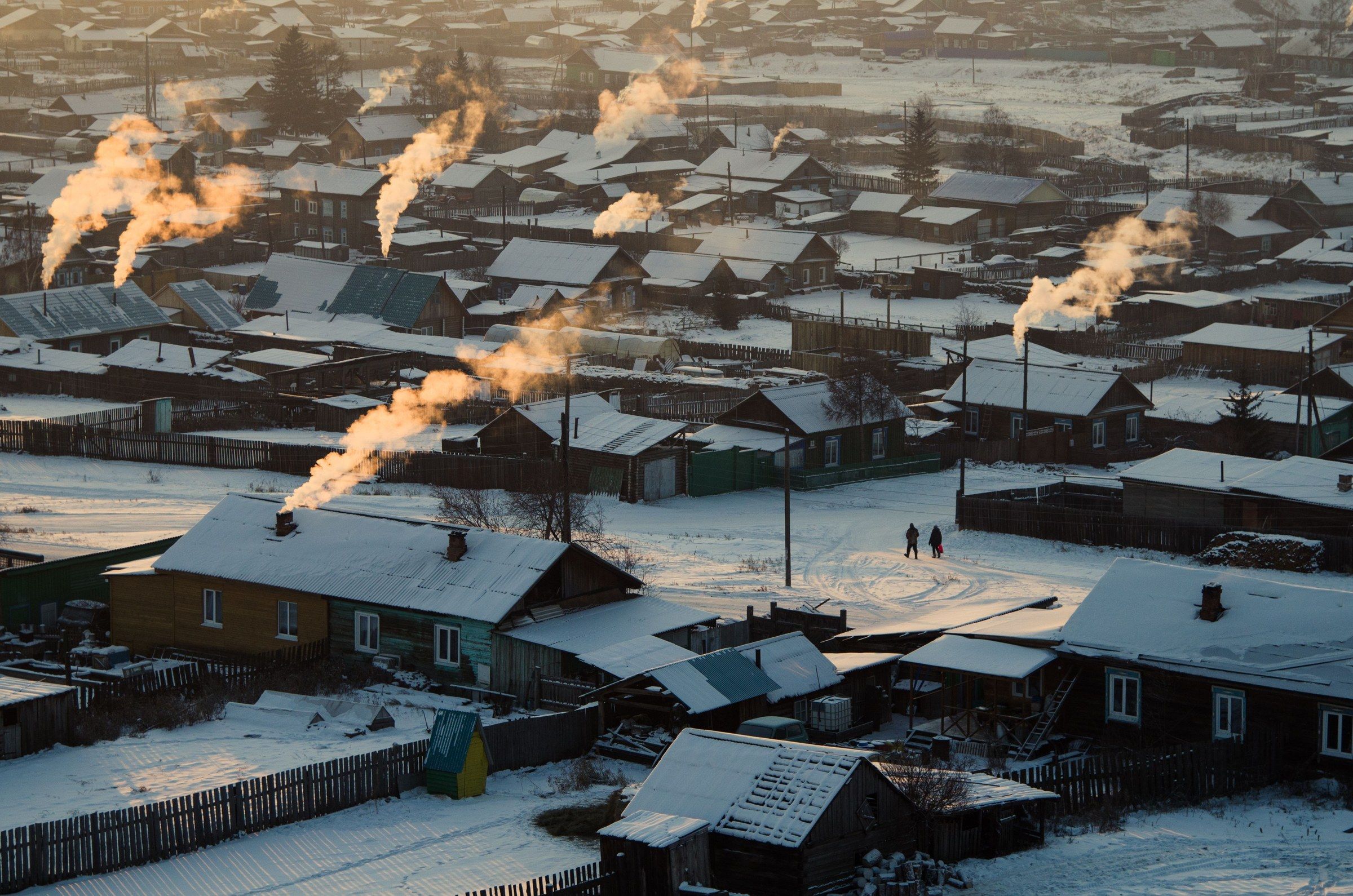
Among the Chassidim of Soviet Russia, prison was no disgrace. These were the men who kept a hidden world of Jewish life alive, with secret schools, secret shuls and secret mikvos, and sooner or later many of them paid for it with a sentence. A saying went round among them: “One year in prison is a duty. Two is optional. Three is showing off.”
Reb Mordechai Chanzin, Mottel to everyone who knew him, was arrested three times. The first time he was sentenced to ten years, the second to five, the third to six. From 5695 to 5716, 1935 to 1956, he lived in prisons, labour camps and places of exile, twenty-one years in all.
It is hard to describe what he went through. He suffered terribly, but his spirit did not break. Once he was sent to a camp near the Arctic, on a stretch of land where no one had lived before and nothing lived but birds. Even there, hatred of Jews followed him. One day a guard flew into a rage and drew his revolver to kill him. Reb Mordechai did not flinch. He walked up to the man, looked him in the eye, pointed to his own forehead and said, “Here. Shoot here, at my Jewish forehead.” The guard lowered his gun.
He had a gift for reaching people’s hearts, and he made friends among the prisoners. When a gang in one camp lay in wait to kill him, a group of criminals he was friendly with protected him. Through all those years he kept Shabbos, finding a new excuse every week to avoid work while the guards did all they could to make his life miserable. He ate only kosher food, kept alive by the parcels his old, sick mother sent him, which held cigarettes he could trade for food. For some years he even had a pair of tefillin smuggled into the camp. The prisoners close to him knew his secret. “Go on,” they would tell him, “put on those boxes of yours.”
He loved to tell stories of those years, and he saw it as a kind of last will to the generations after him. But one story, he said, he was bound to tell, because of a promise.
The lights in the barracks
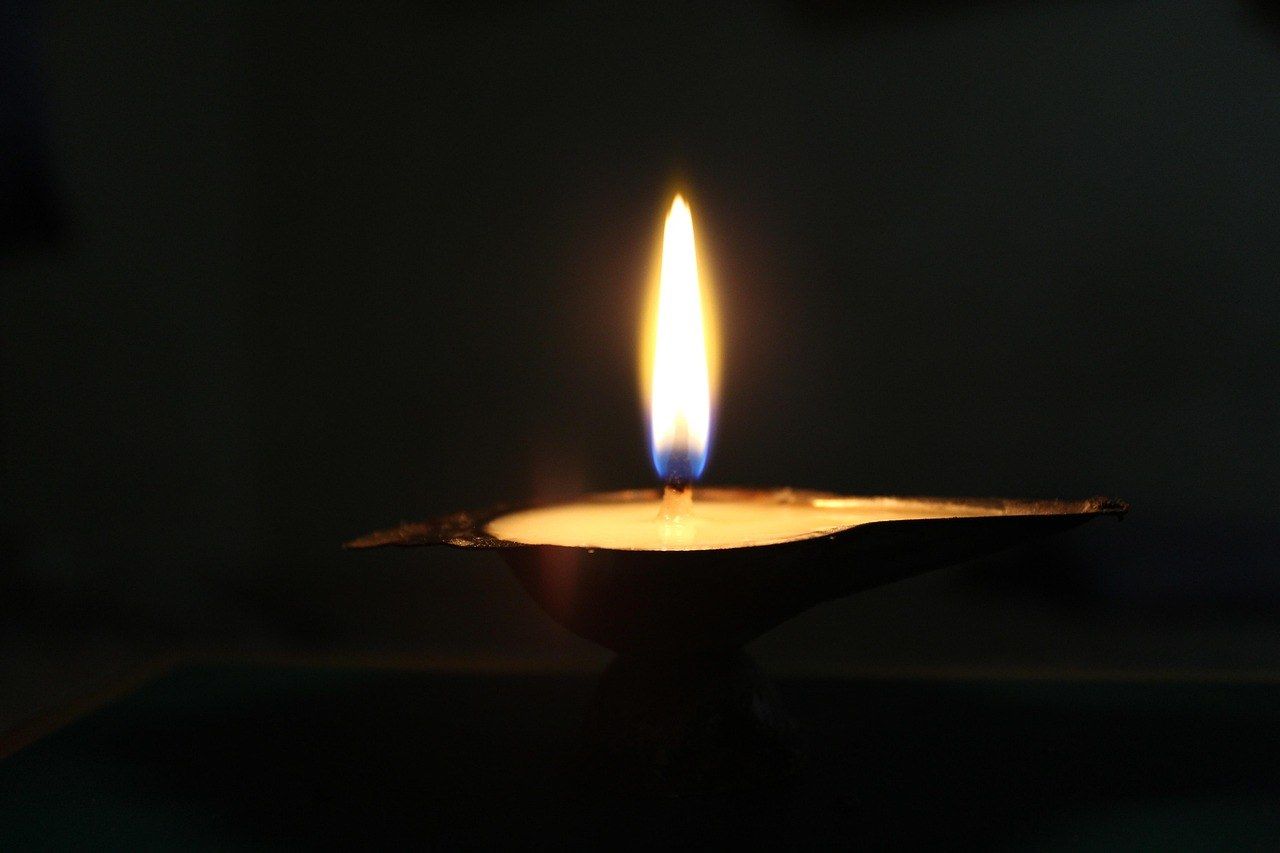
As Chanukah came near, a group of young Jews in one of the Siberian camps met to make a plan. How could they light the menorah, with all the danger it meant? Someone promised margarine. Threads were pulled from clothing to make wicks. From somewhere, a little vessel was found to hold them.
There were eighteen of them, and Reb Mordechai was the oldest. In the middle of the night they gathered in secret, and the honour of lighting went to him. His voice shook as he said the blessings. He thought of his father, the Chassid Reb Menachem Mendel, and his mother, Fraida, of their home full of Torah and Chassidus, and of Chanukah there.
He was still gazing at the flame through his tears when the door of the hut burst open. Officers of the NKVD, the Soviet secret police, stormed in and shoved all eighteen into a small, dark cell.
The trial
Reb Mordechai, as the eldest, was tried first. It was a show, the sentence decided in advance. Even so, he was stunned by the charge: plotting a rebellion. The proof was that they had lit lights to signal their position to the enemy.
The courtroom was small: the judge’s chair on one side, the accused facing him. The judge read the charges sternly and announced that the penalty was death. Did the accused wish to defend himself?
Reb Mordechai stood, his heart pounding. “Does the sentence apply only to me, or to the others too?”
The judge gave him a withering look. “To the whole counter-revolutionary gang.”
The room began to spin. Until now Reb Mordechai had tried to look unmoved. Now he understood that it was not only his own life in the balance but the lives of seventeen other Jews, and he was the one who had taken responsibility for them. He burst into tears. He was an emotional man by nature, and all the pain and disappointment he had held in for years came pouring out.
The judge sat and watched him. Then he said, “Come here.”
Reb Mordechai came up to the desk. The judge began asking him questions about his family: their names, what they did, all sorts of personal details. Reb Mordechai answered every one, still weeping. When the judge had finished, he got up and began to pace, repeating the names he had just heard.
Suddenly he stopped. “What do you have to say in your defence?”
Reb Mordechai gathered his courage. “We are Jews. We lit the lights to keep the mitzvah of lighting Chanukah lights. That is why we were together.”
“You lit Chanukah lights?” The judge seemed shaken. “Chanukah lights, you say?” He said it again and again. He looked deeply moved, as if he were fighting something inside himself.
Then he signalled to the two soldiers in the room to step outside. When they had gone, he said, “If you lit Chanukah lights, then I will show you how Chanukah lights are really lit.”
He lit the oil lamp on his desk and began to burn the prosecution’s files, page after page. His hands trembled and he worked quickly, as if afraid he might change his mind. “Here. This is how you light Chanukah lights. You see? This is how you light Chanukah lights!” He did not stop until every paper was gone. Then he swept the ashes out of the window, and the Siberian wind carried them away. Nothing was left of the case.
He pressed a button, and the soldiers came back in. “Take all these young men,” he ordered, “and scatter them wherever you like, so they never meet again. They are contemptible enemies. Don’t shoot them. They aren’t worth a bullet.”
When the soldiers had left, the judge turned to Reb Mordechai and said, in an unsteady voice: “I am a Jew. I ask you to tell the generations to come how I lit the Chanukah lights.”
Keeping the promise
In 5716, after Khrushchev came to power, hundreds of thousands of prisoners were pardoned, and Reb Mordechai’s name was cleared. He was allowed to go home, and in time he came to the Land of Israel.
Years later, on his mother’s yahrzeit, the anniversary of her passing, he told the story after the morning prayers in the study hall of the Machnovka Rebbe in Bnei Brak, over a l’chaim, with tears running down his face the whole time. Among those listening were Reb Tzvi Shtammer, a close Chassid of the Machnovka Rebbe, and his son, Reb Dov Shtammer, who wrote it down at once. He later turned it into a play, “Chanukah Lights in Siberia,” performed at the tish of the Sanzer Rebbe.
And so Reb Mordechai kept his promise to the judge, and the generations after him know how one Jew lit the Chanukah lights, and saved his fellow Jews.
Sources
- Menachem Ziegelboim, Beis Moshiach (December 20, 2016), Siberian Chanuka Lights.
- Shluchim Sermons, from Sichat HaShavua no. 1248, Pride in a Jail Sentence.
Retold from Menachem Ziegelboim's account in Beis Moshiach, with Sichat HaShavua.
More Chanukah stories
Chanukah Stories from A Place Called Prison
For seven Chanukahs Reb Sholom Mordechai Rubashkin lit the menorah behind bars, fighting each year to light it properly. On the eighth day of Chanukah 5778, a guard opened his cell.
The Light in the Window
A band of partisans fleeing across a frozen border takes shelter in a guard's hut. The old rabbi they almost left behind lights his menorah in the window.
A Menorah in Bergen-Belsen
In Bergen-Belsen, Reb Shmelke Shnitzler searches in vain for oil to light Chanukah. The day before the festival, his foot sinks into a patch of earth by the fence. Years later, in Brooklyn, he learns who put it there.
Chanukah in the Shadow of the Inquisition
In Seville under Torquemada, a Jewish grandmother gives her three granddaughters silver menorah brooches and tells them the story of Chanukah. That same night the Inquisition comes to the door.