The Light in the Window
A band of partisans fleeing across a frozen border takes shelter in a guard's hut. The old rabbi they almost left behind lights his menorah in the window.
During the Second World War, a small band of partisans who had broken out of the Nazi camps hid in the forests of Poland and harried the Germans wherever they could. There were a few Jews among them, and a number of former Polish officers.
On one of their raids they came upon an old rabbi, starving, left for dead by the Nazis. One of the Catholic partisans took pity on him and nursed him back to health. The rabbi was no use as a fighter, so they gave him the cooking, and asked him to pray for the men who went out to fight. Strangely enough, from then until the end of the war, the group did not lose a single man.
The plan
When the war ended, the band broke up. Some went back to Poland, some to Latvia, some simply wandered with no home to go to. As the Soviet authorities tightened their grip, the group decided to flee together.
A man who helped people across the border told them how. “You cross the river in winter, when it is frozen. On the far side is no-man’s land, and in it a hut. A Russian soldier lives there. His orders are to shoot anything that moves. But at one in the morning he leaves the hut and walks a few miles to the next post to exchange reports and supplies with another soldier. The whole round trip takes him about two hours. In that time you can warm yourselves in his hut. Just be gone before he comes back.”
Only the younger ones were willing to try. Most of the older people had lost hope and stayed behind. The one old man who wanted to come was the rabbi.
A furious argument broke out. “Leave him,” said one. “He can find food in one of the towns. We can’t be slowed down by a frail old man. We’ve done enough for him.”
A devout Christian among them would not hear of it. “If we leave him, we are all lost. I am not going without him.” Grudgingly, they took the rabbi along.
The hut
It was a bitter night, and a blizzard blew up. The old man could not keep pace with the climbing and running, just as they had feared. Again and again they had to stop and carry him. Light as he was, he slowed them all down, and more than once the argument began again: why not just leave him?
At one in the morning they reached the hut, half buried in snow. They could smell the smoke of the fire inside. They lay in the snow and waited for the soldier to leave, and it seemed to take forever. At last he went. Half frozen, they tumbled into the hut and crowded round the stove, pushing their numb hands and feet as close to the fire as they could.
The old rabbi moved away from the others. He opened a small bag and took out an old, rusty menorah. He rolled a scrap of string into a wick and filled the menorah with oil from a little tin bottle he had somehow kept with him.
No one spoke. No one moved. They watched him as if under a spell.
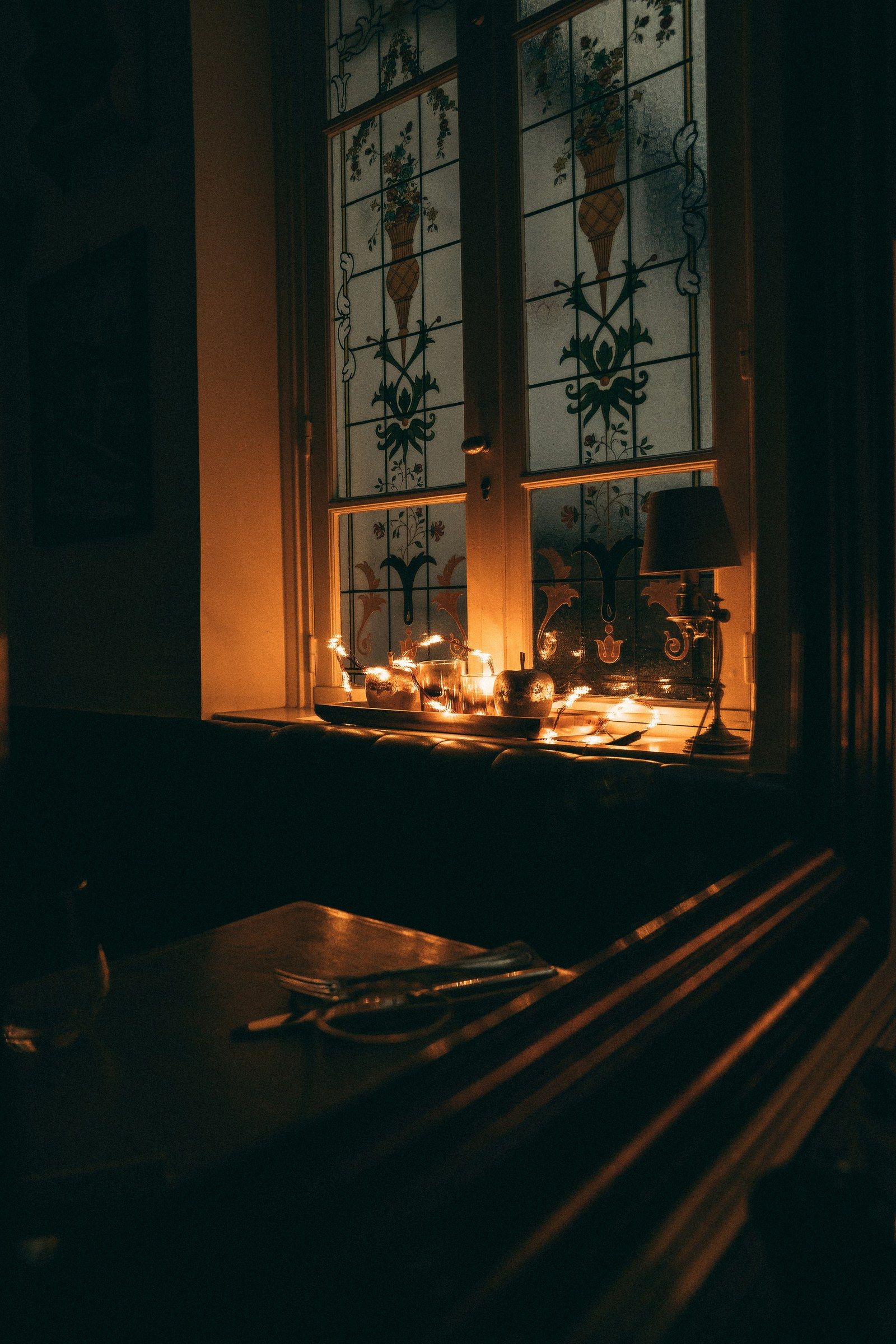
In a voice they could barely hear, the rabbi said the blessings over the Chanukah lights. He set the menorah on the windowsill, lit it, and began to sing Maoz Tzur, “Rock of Ages,” the old song of G-d’s miracles for His people.
The leader came to with a jolt. “Put out that light! The soldier will see it. We’ll all be caught and shot!”
It was the first night of Chanukah, the rabbi explained, and he had lit the light to keep the mitzvah of remembering the miracle. No, he would not put it out. “It must burn for half an hour,” he said. “That is the law.”
The soldier
The door flew open. A tall soldier stood there with a machine gun and shouted at them to put their hands up.
He walked over to the old rabbi and looked at the menorah. Then he said, in Russian, “I am a Jew too. I have not seen a menorah in six years.” He kissed the rabbi’s beard and burst into tears.
“After I left,” he told them, “I remembered I had left some reports in the drawer. As I came back, I saw a light in the hut. I could not believe my eyes. A menorah, in no-man’s land, in a blizzard, in my hut.”
They were safe, he said. He brought out a big bottle of vodka and poured each of them a drink. “It is good I was the one on guard. Anyone else would have shot you all. Come, I will show you how to cross.” And to the rabbi: “Remember me, Rabbi. Pray that I have a Chanukah miracle too, and get out of the army safely and back to my family.”
Shaken and grateful, the little group followed him through the snow and across the border. Somehow they all made their way to freedom, and then each went his own way. The old rabbi went to the Land of Israel. There he told the story to other survivors, and they told it to Rabbi Eli Hecht when he was a small boy.
Sources
- Rabbi Eli Hecht, L'Chaim Weekly (Sichos in English), Chanukah: The Light in the Window.
Retold from a story by Rabbi Eli Hecht in L'Chaim.
More Chanukah stories
A Menorah in Bergen-Belsen
In Bergen-Belsen, Reb Shmelke Shnitzler searches in vain for oil to light Chanukah. The day before the festival, his foot sinks into a patch of earth by the fence. Years later, in Brooklyn, he learns who put it there.
Siberian Chanukah Lights
Reb Mordechai Chanzin spent 21 years in Soviet prisons and camps. One Chanukah, in a camp in the far north, he and seventeen young Jews lit a makeshift menorah, and were caught and tried. The judge had a request.
Chanukah in the Shadow of the Inquisition
In Seville under Torquemada, a Jewish grandmother gives her three granddaughters silver menorah brooches and tells them the story of Chanukah. That same night the Inquisition comes to the door.
Where to Place the Menorah
Doorway or window, left side or right, how high and which room: where the Chanukah menorah goes, with the halacha, the general custom and the Chabad custom.