The Fire in the Flint
Chassidus compares the Jewish soul to the fire hidden in a flint: it can lie under water for years and still give a spark. The cruse of oil is the same flame.
Chanukah is the festival of a people that refused to disappear. In the time of the Maccabees, many Jews had taken up the Greek way of life. Some left Judaism altogether and joined the Greeks in worshipping idols. The Maccabees reminded the people who they were, and the Jewish people survived.
Chassidus explains what made that possible. Every Jew carries a spark of the Divine that cannot be put out, and it compares that spark to the fire in a flint.
A glowing coal holds fire too, but drop it in water and the fire is gone for good. A flint is different. The fire in it does not depend on how the stone is treated. Leave it under water for a long time, take it out, strike it, and it gives a spark as readily as ever. The fire was never lost. It was waiting.
Judaism lives in every Jew in the same way. However far a person has drifted from Jewish life, it is there as a real and powerful force, ready to show itself when the moment comes.
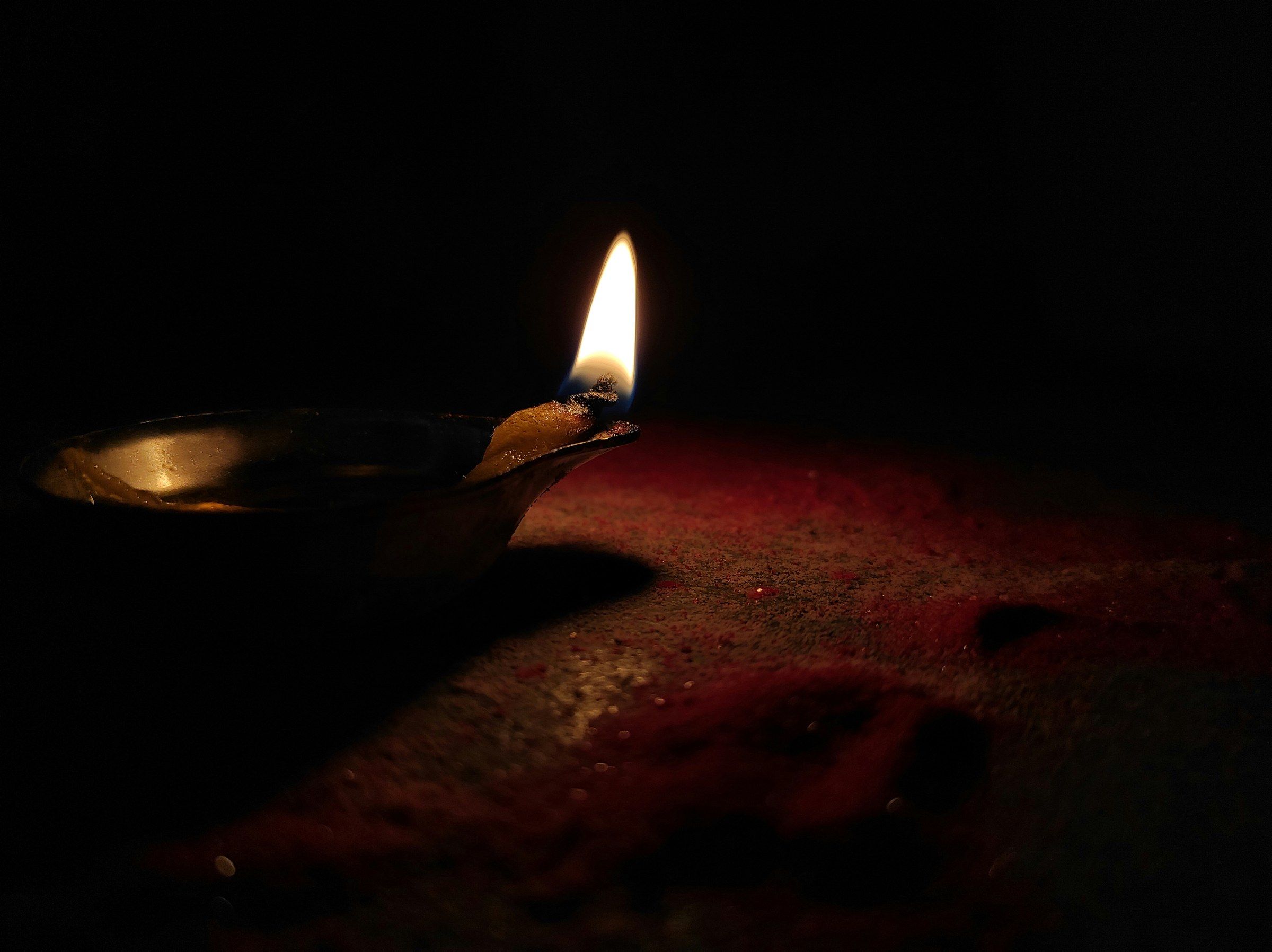
The single cruse of pure oil found in the Beis Hamikdash, the Holy Temple, is a picture of that hidden flame. The Greeks had defiled everything around it, yet one jug remained pure, sealed and untouched. The Chanukah lights we kindle from it each year are the same eternal Jewish flame. It can be hidden. It cannot be extinguished, and given the chance, it shines.
Sources
- Sichos in English, Chanukah: The Fire In The Flint.
Adapted from Sichos in English.
Related
The Secret of Chanukah
The decrees, the self-sacrifice and the miracles of Chanukah were all above reason. The Rebbe explains how that makes Chanukah a blueprint for Jewish life.
Sichos in EnglishThe Meaning of the Chanukah Lights
The Previous Rebbe told his Chassidim to listen to what the candles are saying. The Rebbe reads their message in the laws of the mitzvah: light the dark outside, use none of it, and add more every night.
Sichos in EnglishThe Maccabees
Who the Maccabees were, what they fought for, and why a handful of priests went to war against an empire.
The Story of Chanukah
From the Greek decrees and the stand at Modiin to the miracle of the oil: the Chanukah story, told from the traditional sources.